


Articles
Brands
Categories
 24h
24h
 24h
24h
 24h
24h
 24h
24h
 24h
24h
 24h
24h
 24h
24h
 24h
24h
 24h
24h
 24h
24h
 24h
24h
 24h
24h
 24h
24h
 24h
24h
 24h
24h
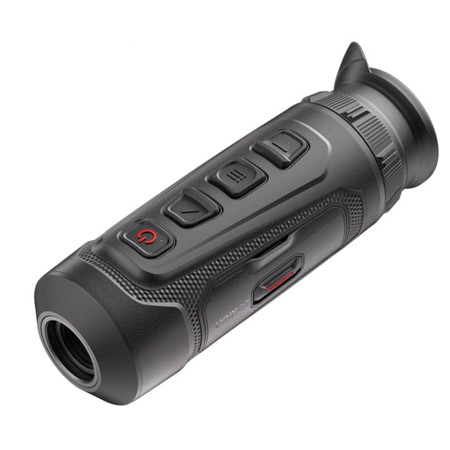
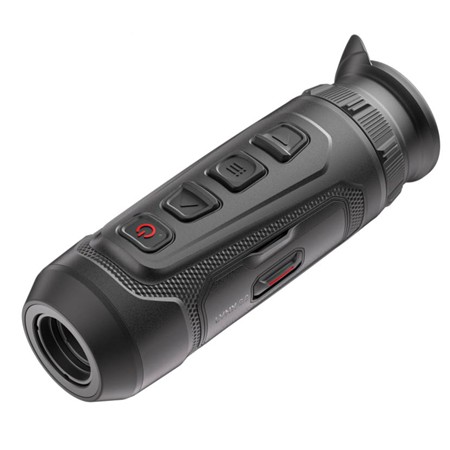
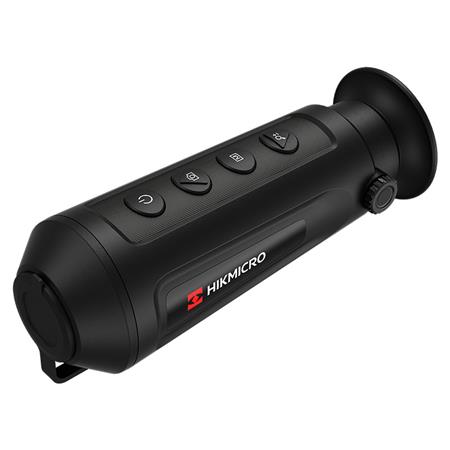
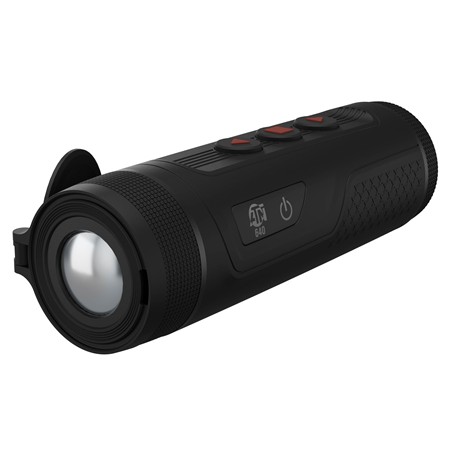
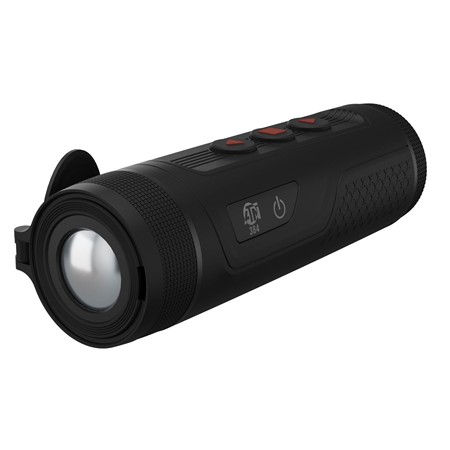
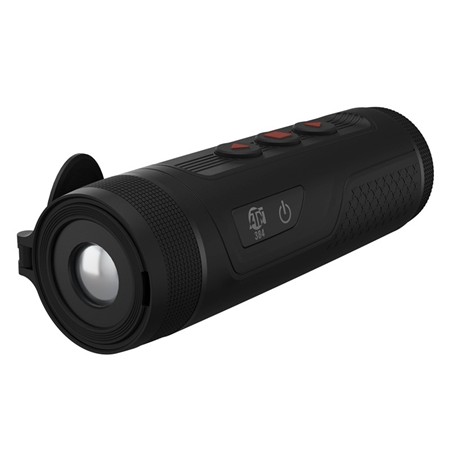
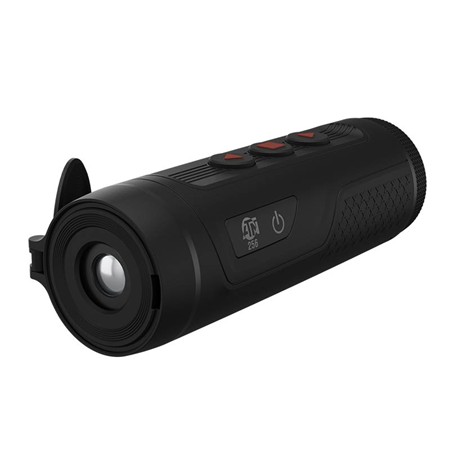
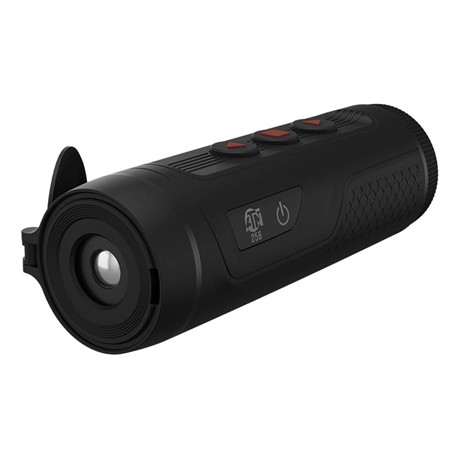
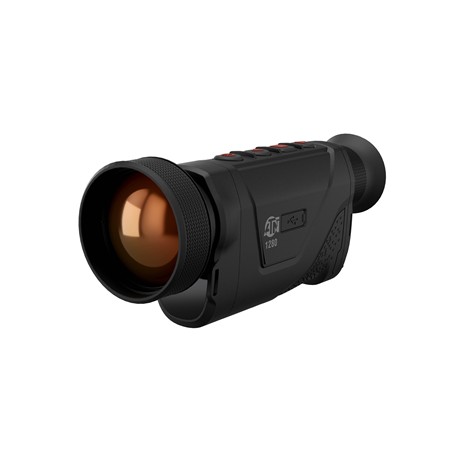
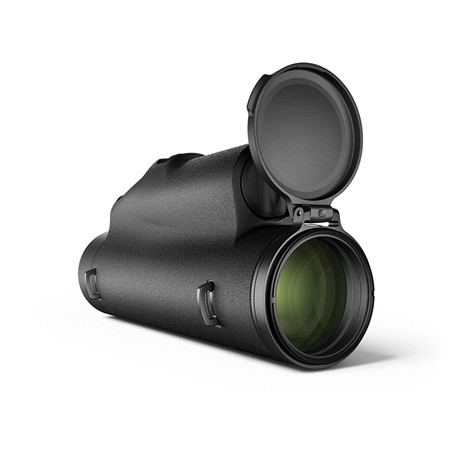
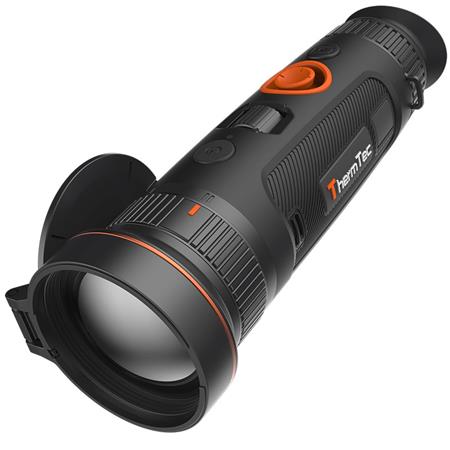
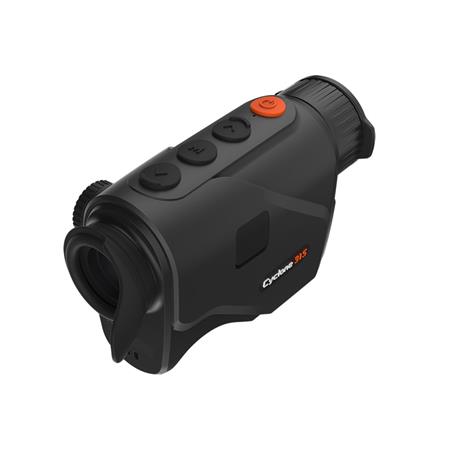
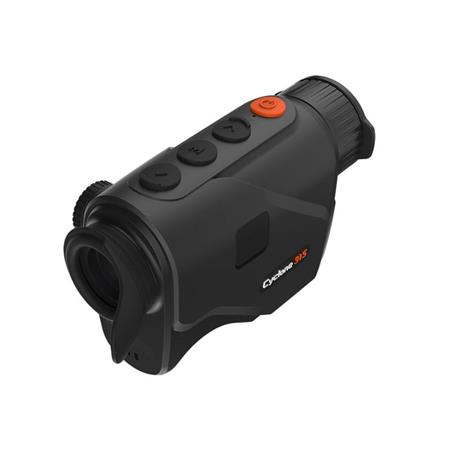
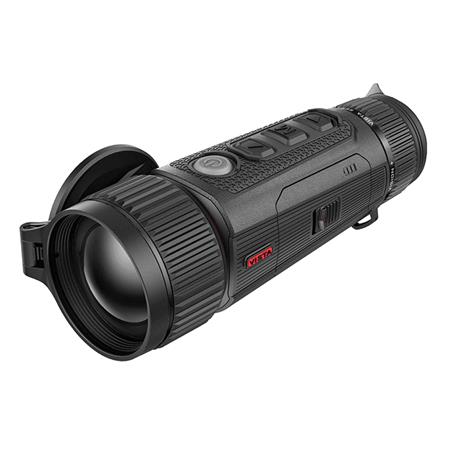
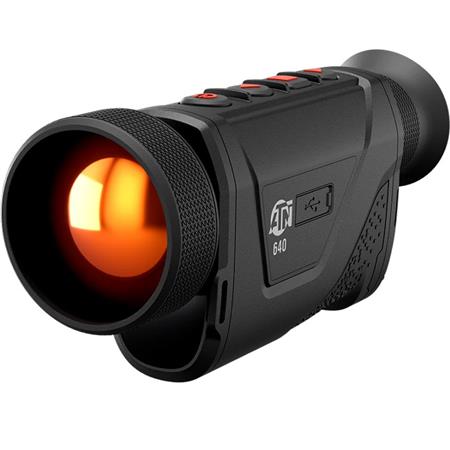
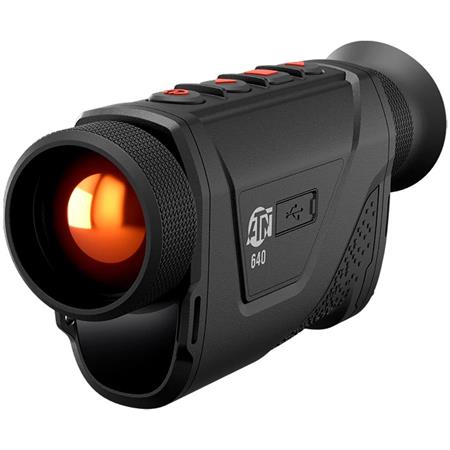
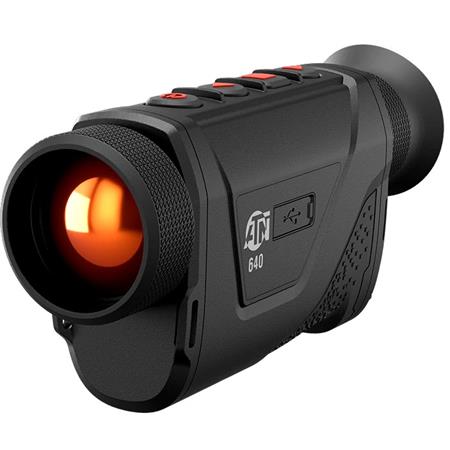
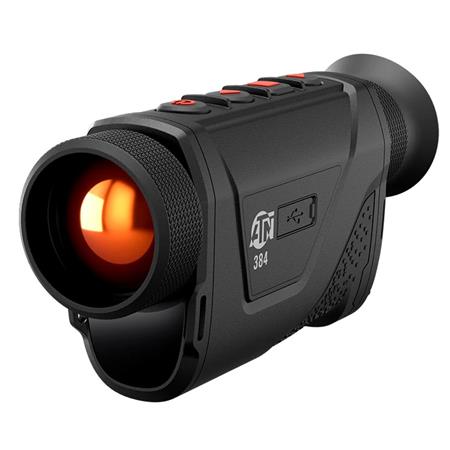
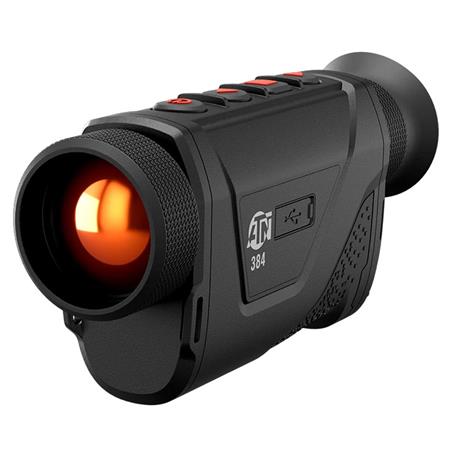
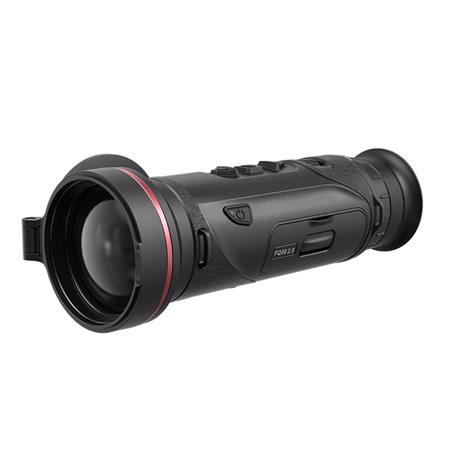
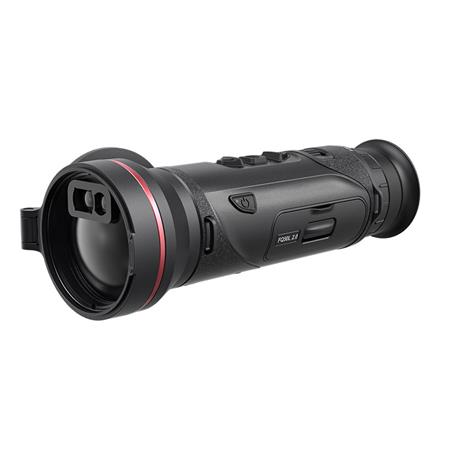
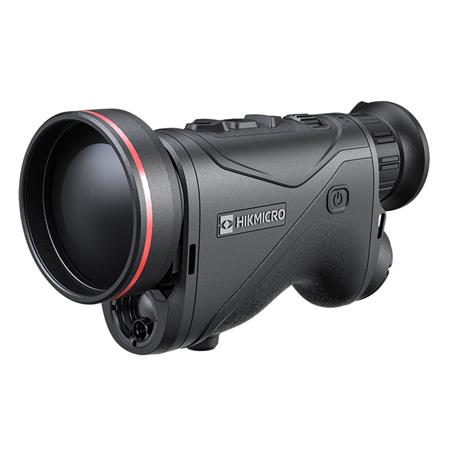
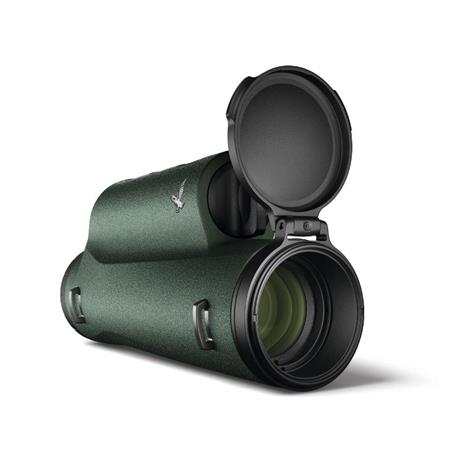
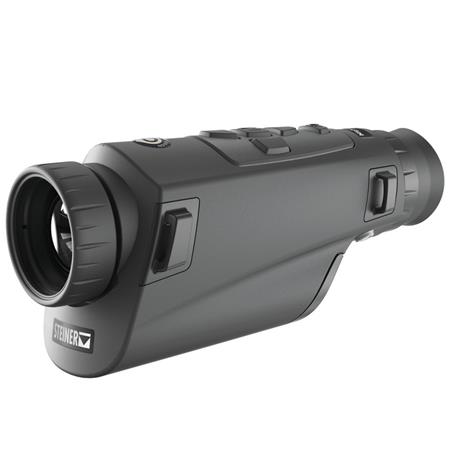
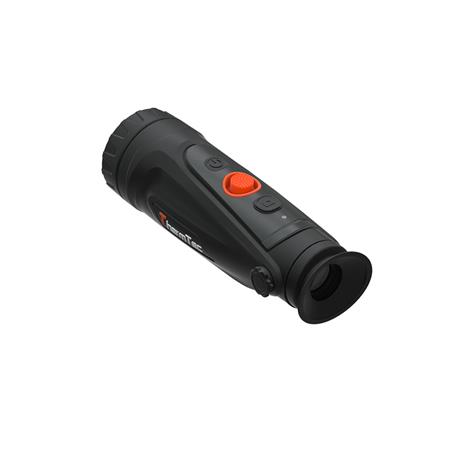
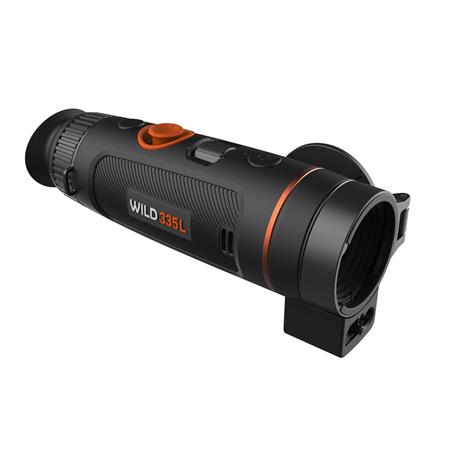
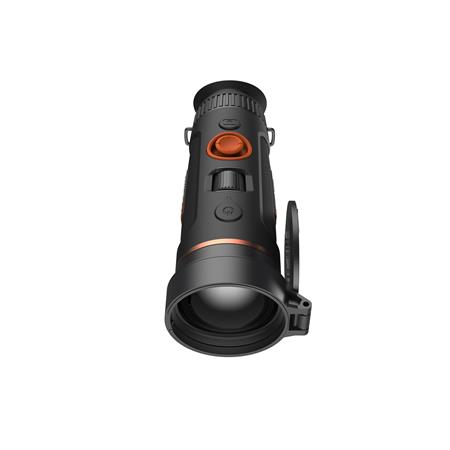
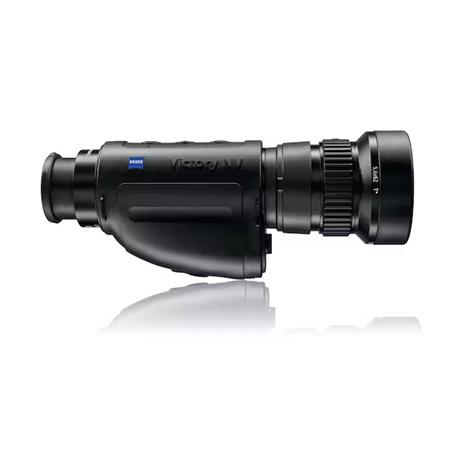
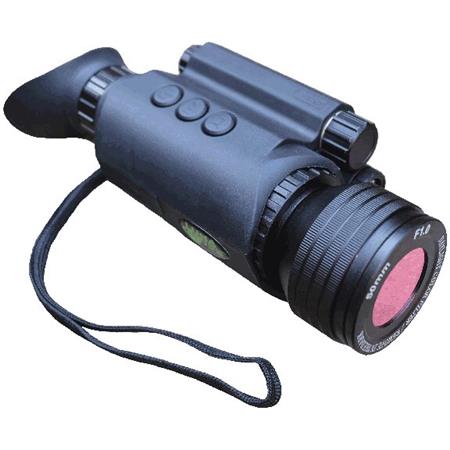
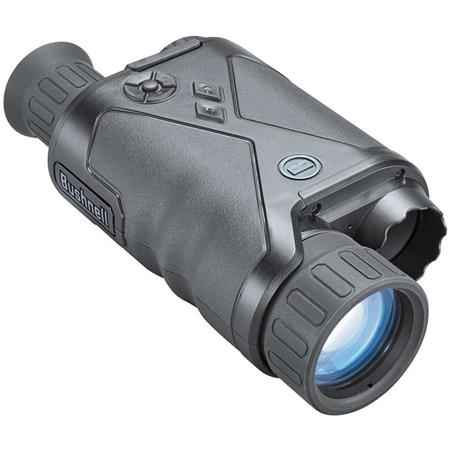
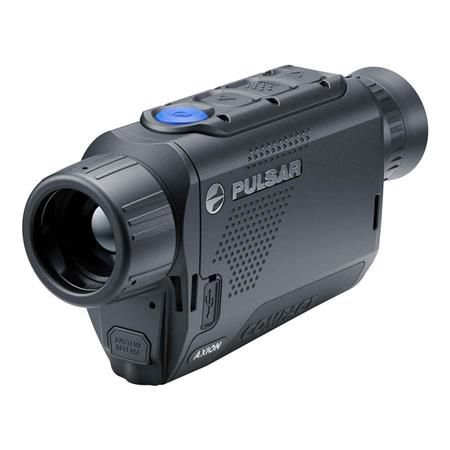
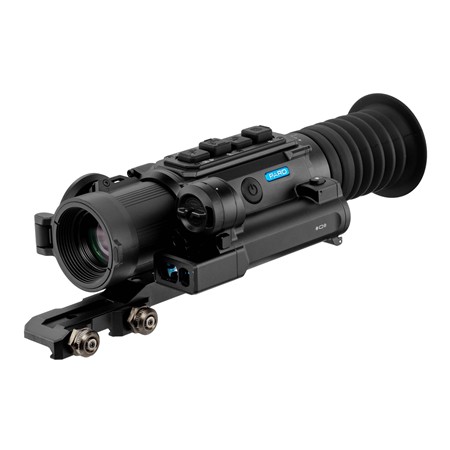
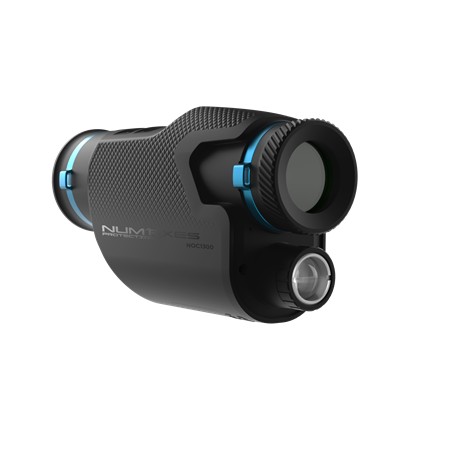
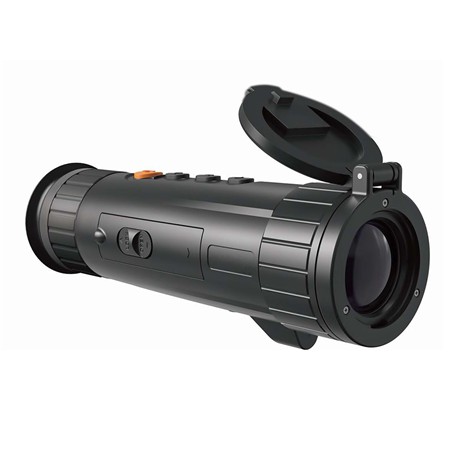
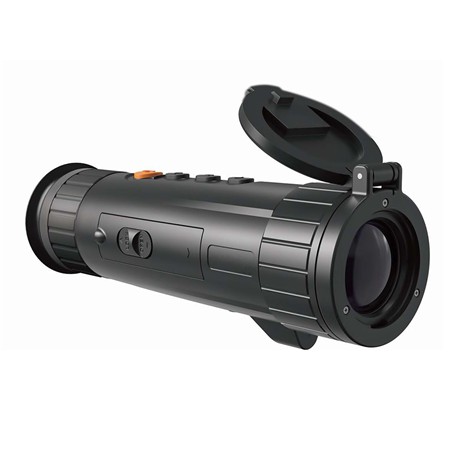
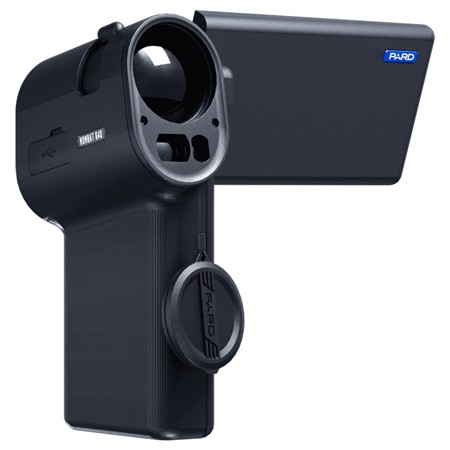
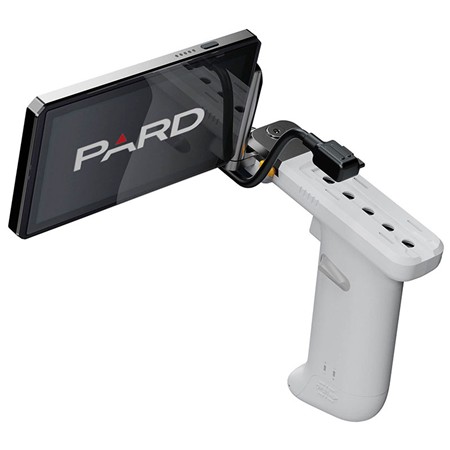
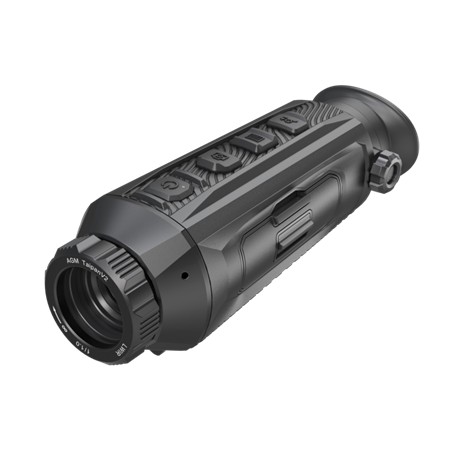
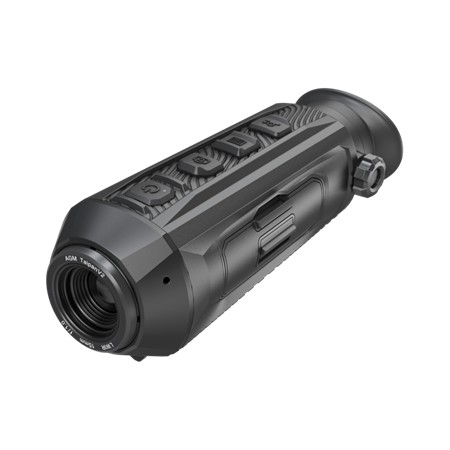
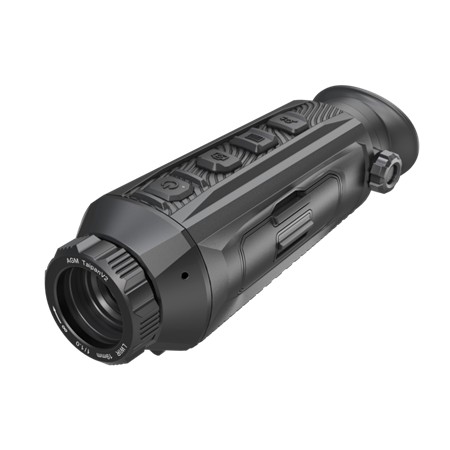
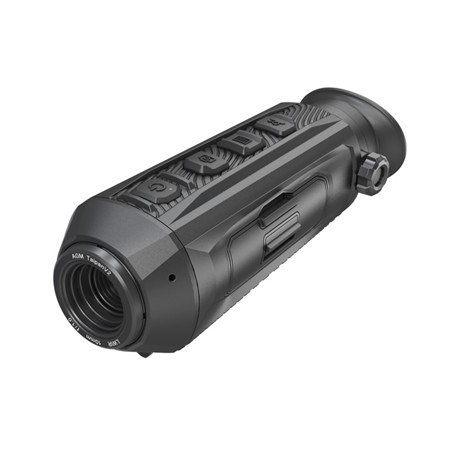
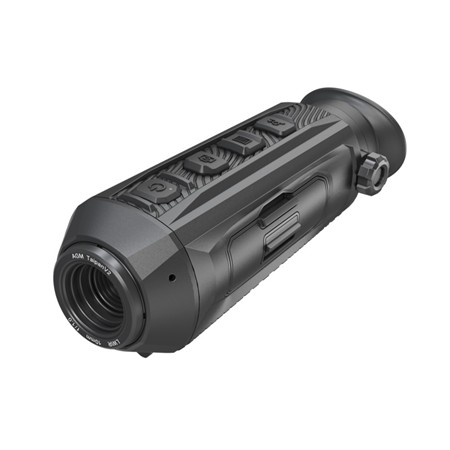
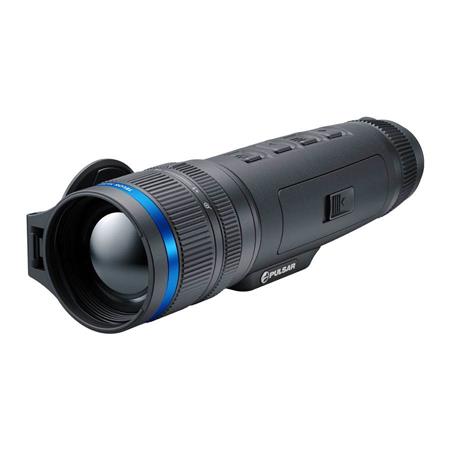
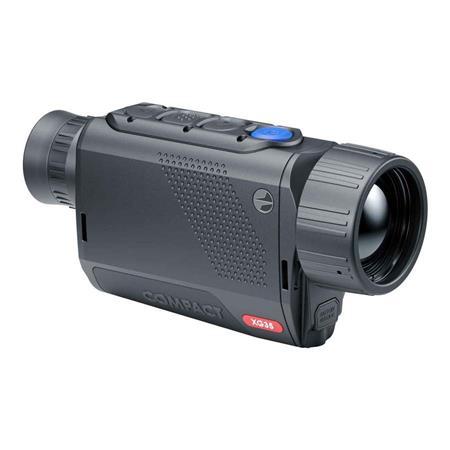
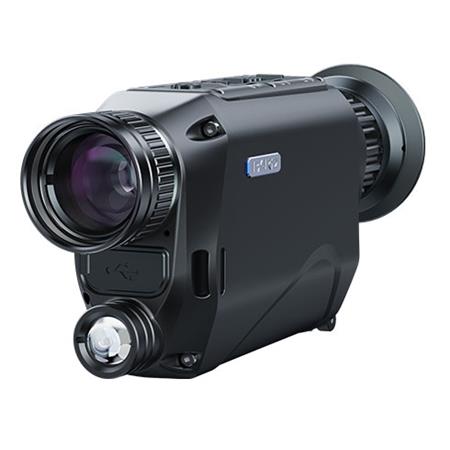
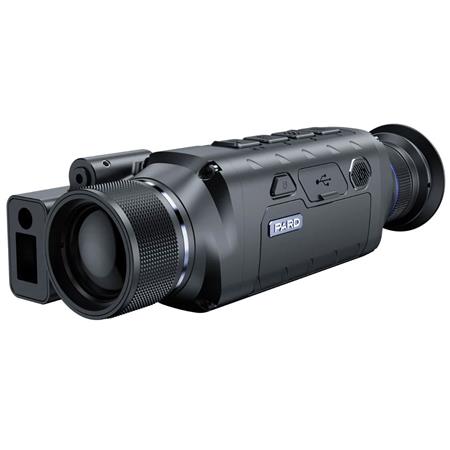
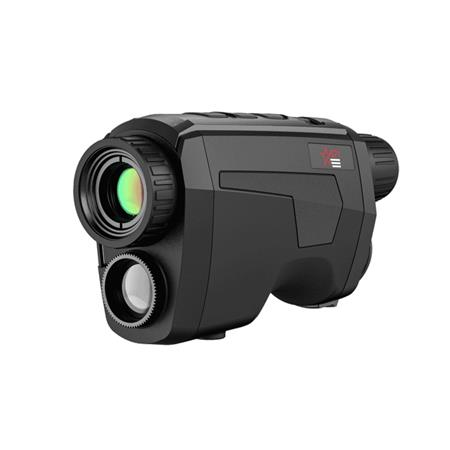
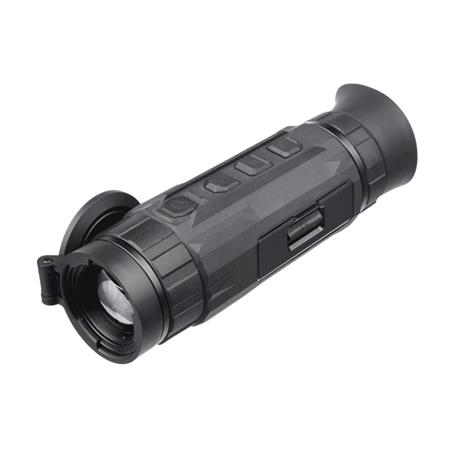
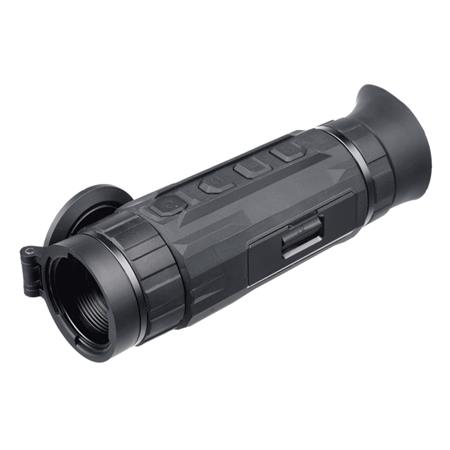
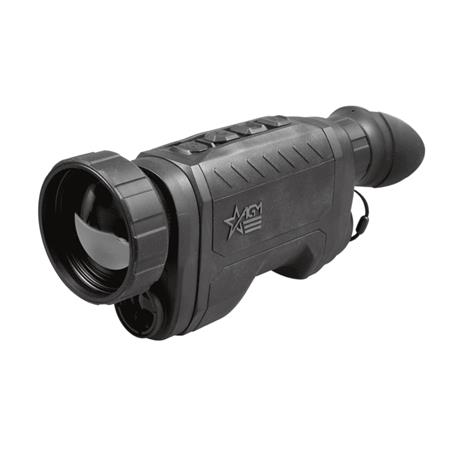
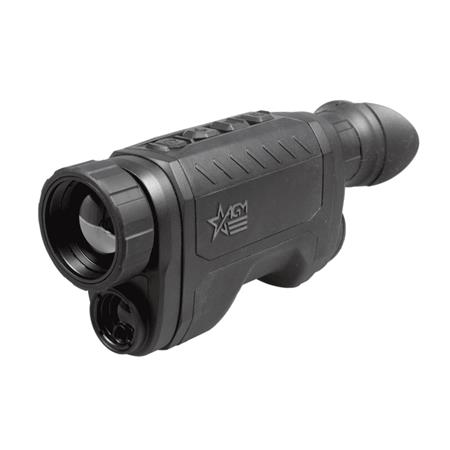
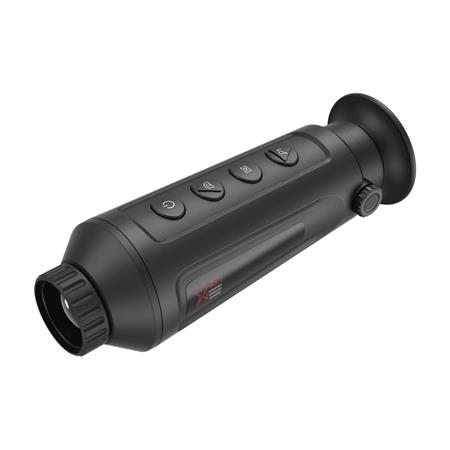
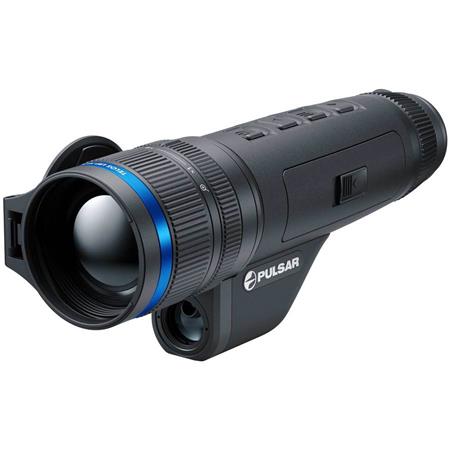
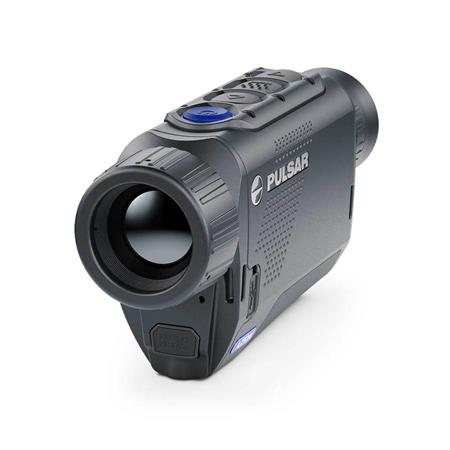
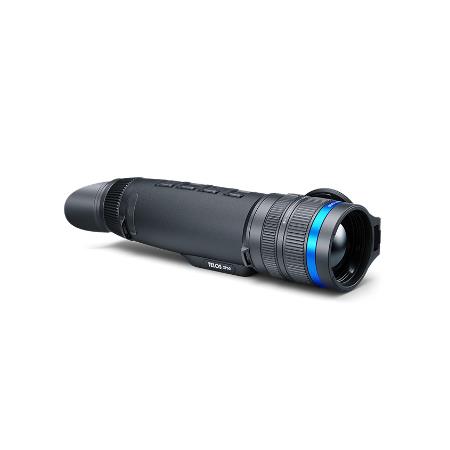
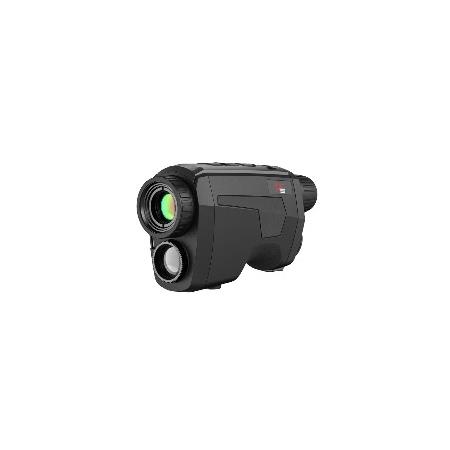
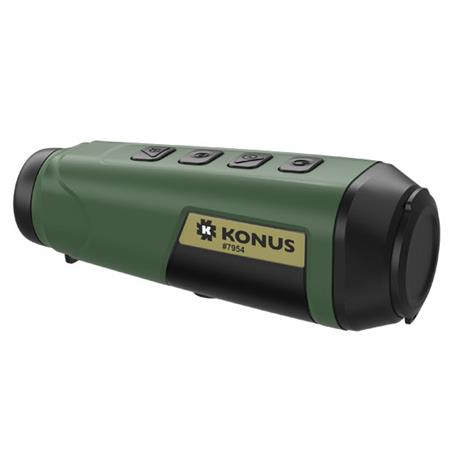
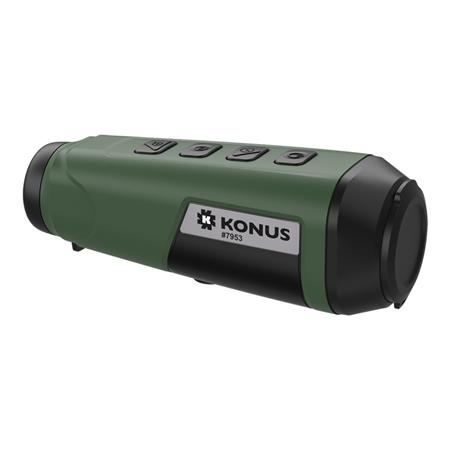
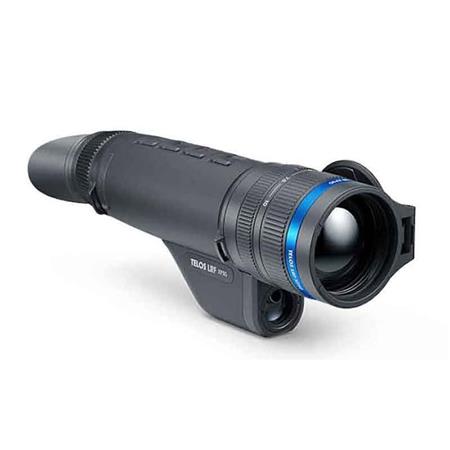
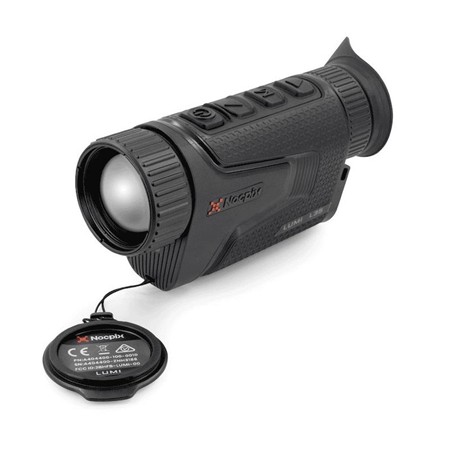
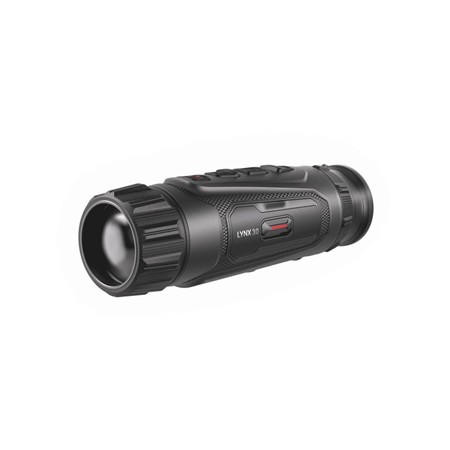
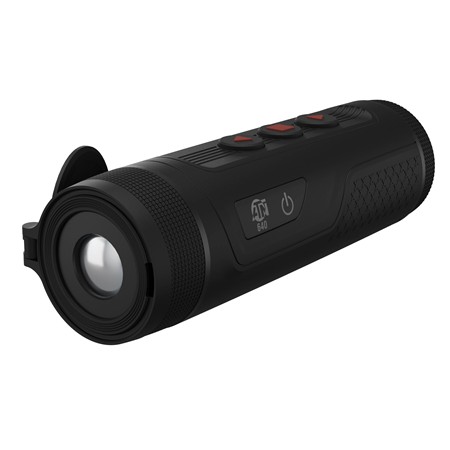
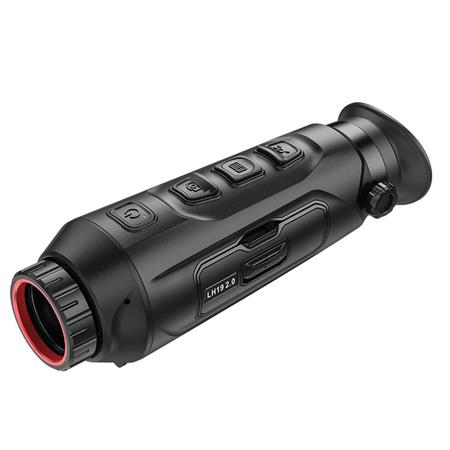
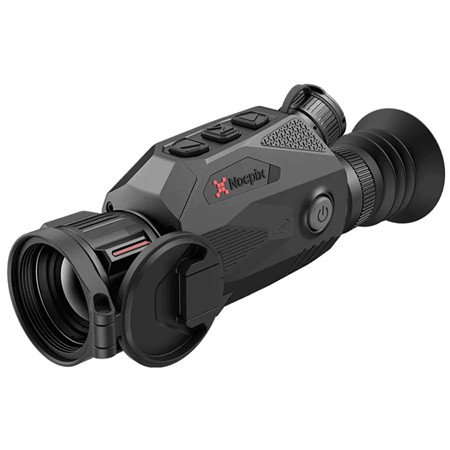
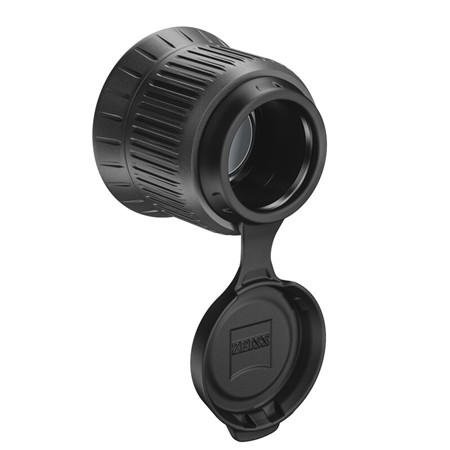
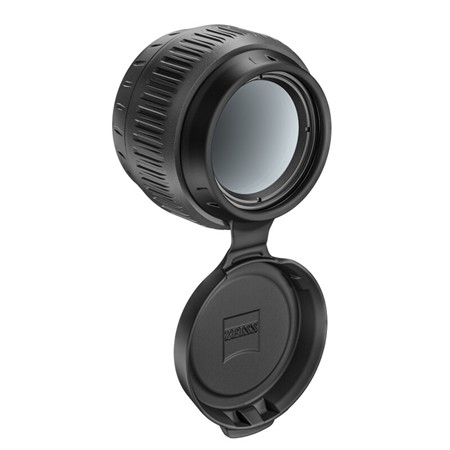
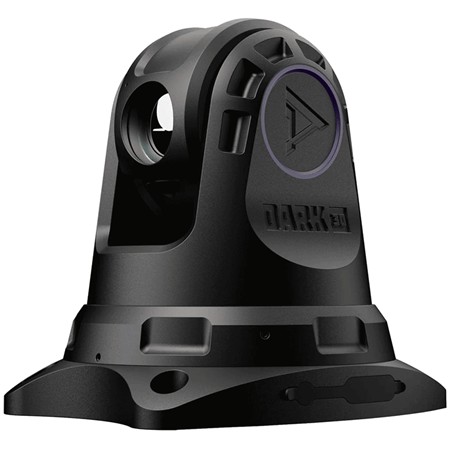
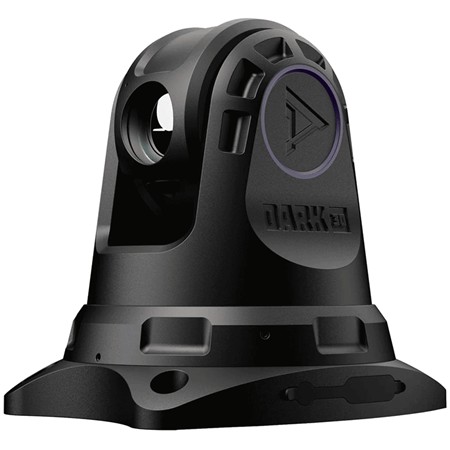
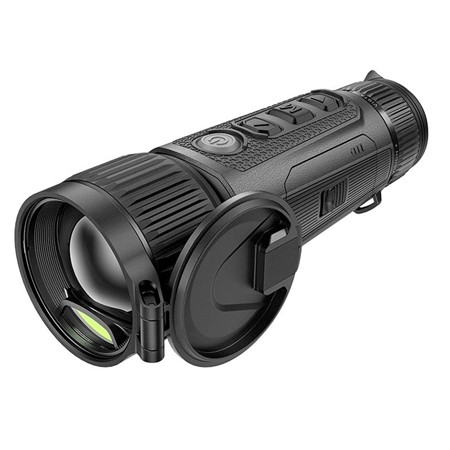
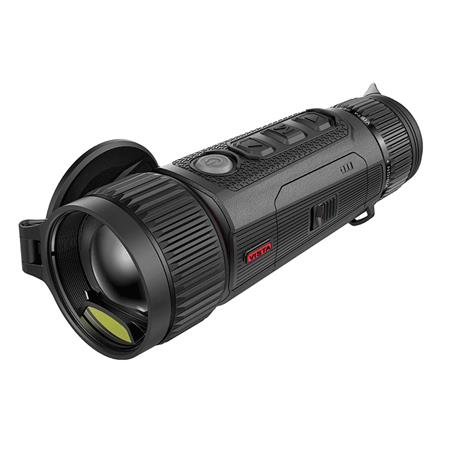
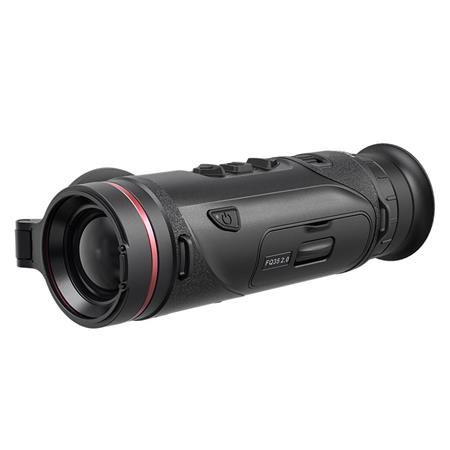
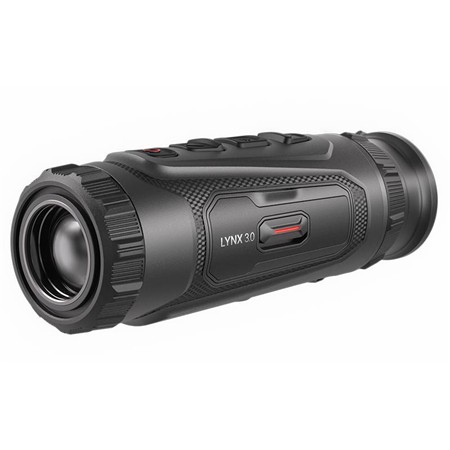
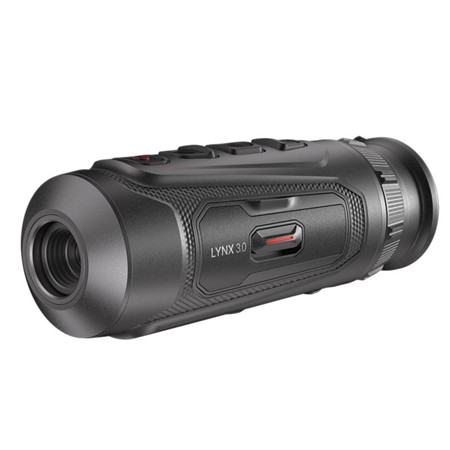
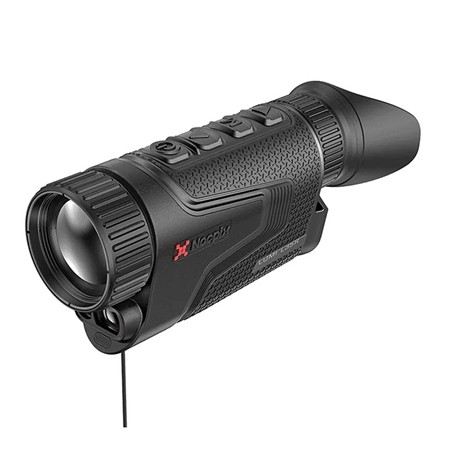
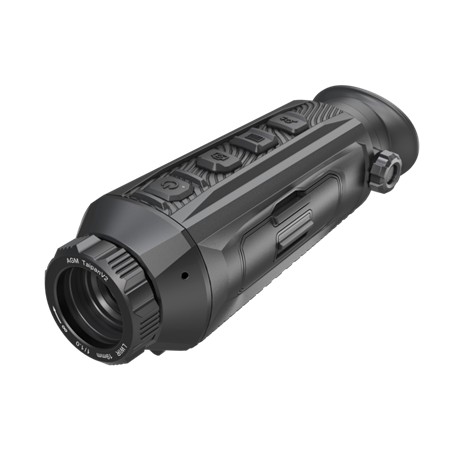
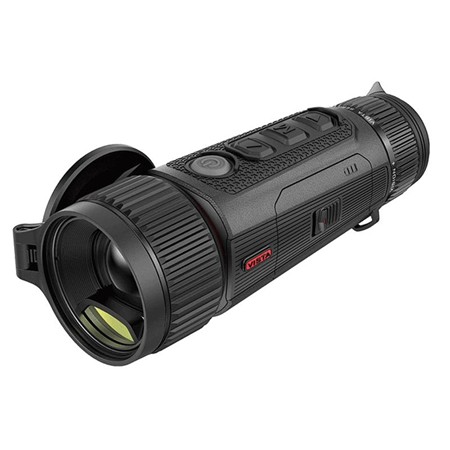
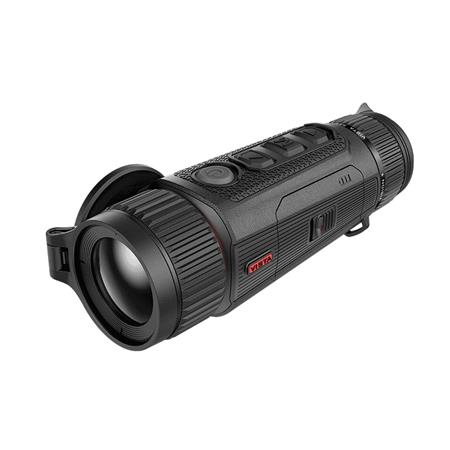
A monocular comes into its own when you cannot afford to have both hands occupied: stalking through woodland, moving during a driven hunt, or monitoring an area from a quad bike or vehicle. Hunters who regularly go out at night often end up preferring this format to binoculars, even if it is less comfortable for prolonged observation.
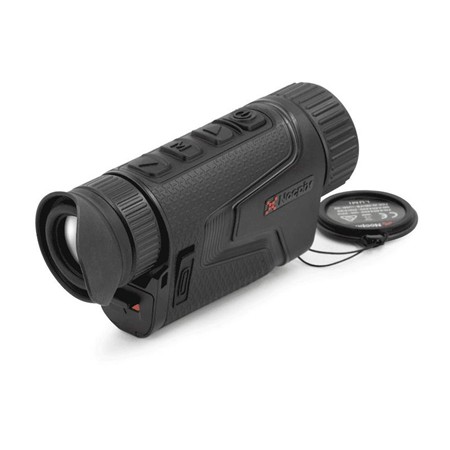
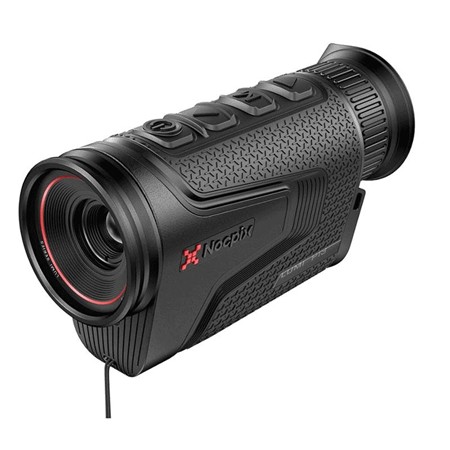
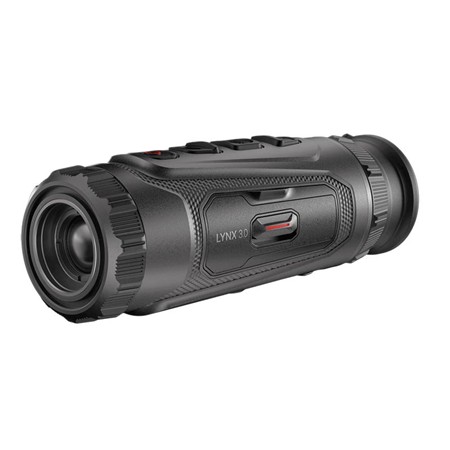
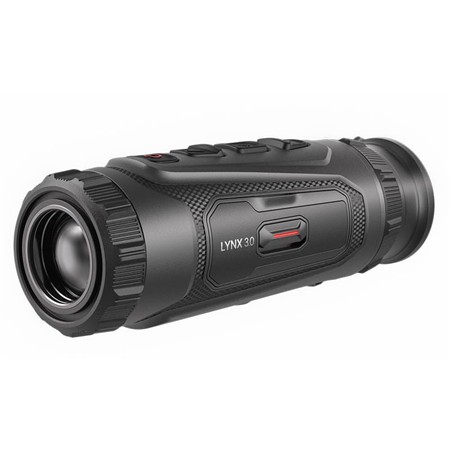
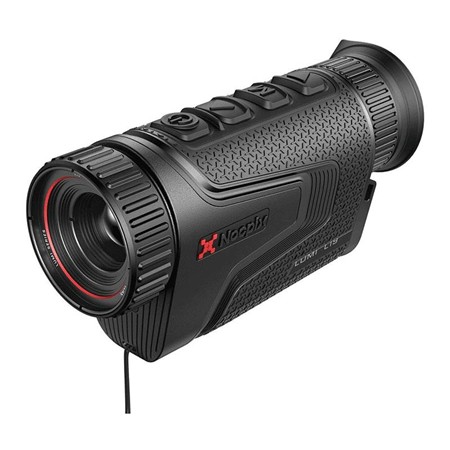
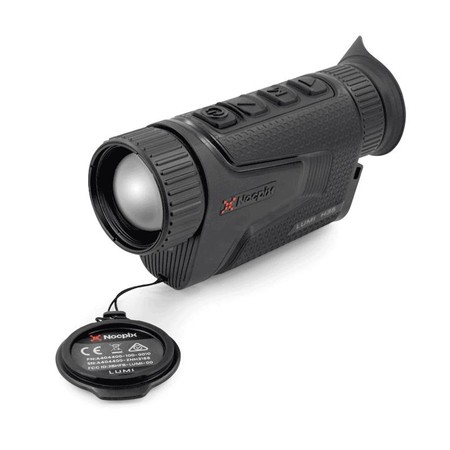
A thermal monocular is designed for rapid detection. You take it out, scan the area, and put it away. The body heat of game animals remains visible even in rain, dense brambles or through light vegetation.
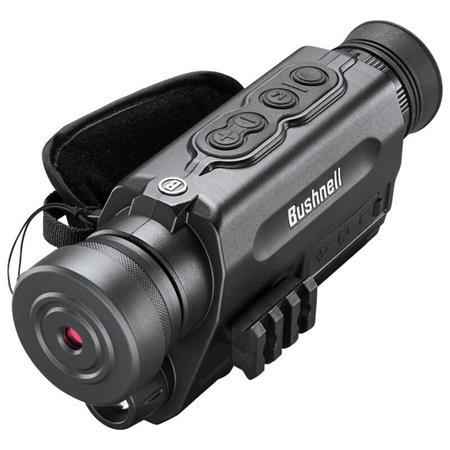
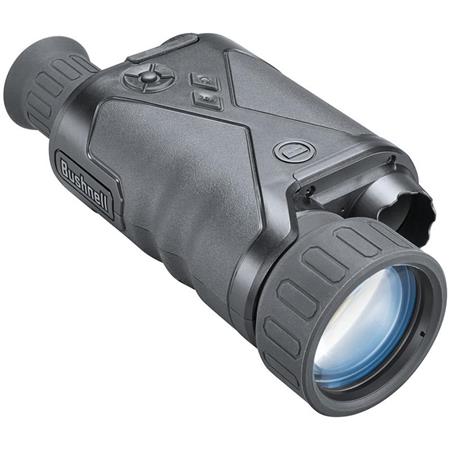
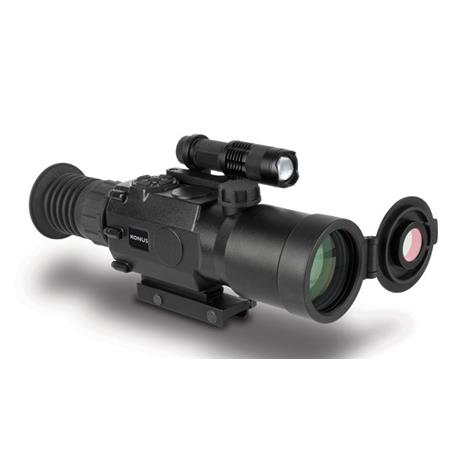
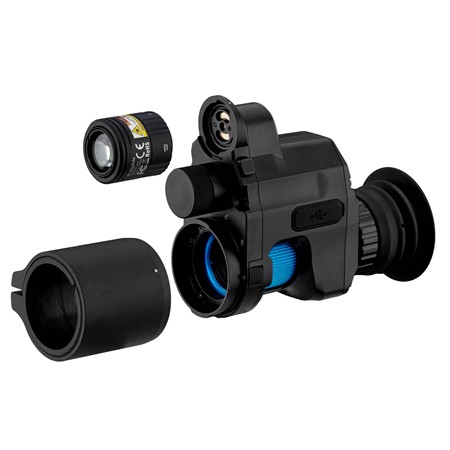
A night vision monocular is used differently: from a hunting stand, an open hide window, or while monitoring a game trail. It provides an image amplified from ambient light, making it easier than thermal imaging to interpret the surroundings, distinguish a sow from a piglet, or estimate distances.
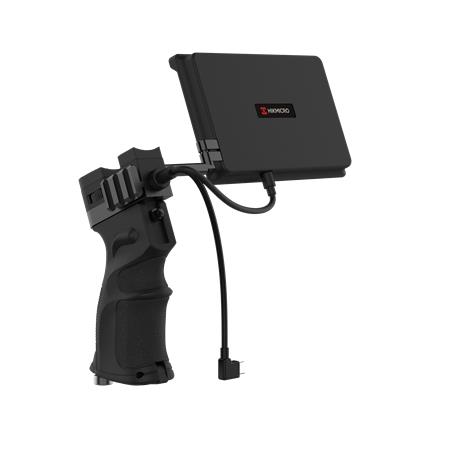
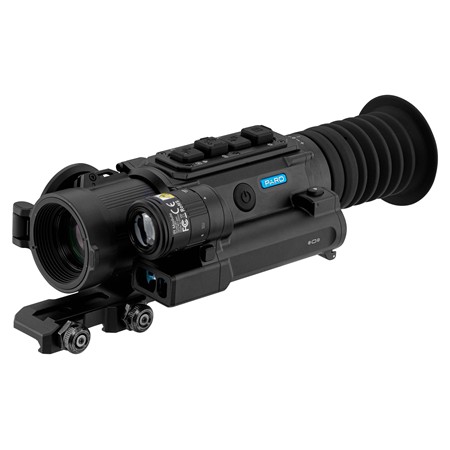
Unlike binoculars, a thermal monocular can be mounted on a helmet or attached to a Picatinny rail in front of a riflescope as a clip-on device. This versatility appeals to hunters who want a single unit for both movement and shooting. Not all models offer this capability, as thread compatibility and mounting systems vary from one model to another. For extended observation sessions where binocular comfort is important, thermal and night vision binoculars remain the better option.
A 256x192 sensor can locate a wild boar at around 150 m, but not much farther. At 300 m on a moonless night, the image becomes too grainy to identify the animal with confidence. A 384x288 sensor extends this limit to around 300–400 m and remains the most common format for hunting. A 640x480 sensor is designed for open fields and wide landscapes, where identification distances can exceed 500 m under favourable conditions.
The selection includes brands with very different positioning: affordable entry-level models, versatile mid-range units, and premium products focused on durability and performance in demanding conditions. The right choice depends primarily on viewing distance, terrain type and frequency of use. For a broader overview including surveillance cameras and riflescope adapters, the Night Vision and Thermal Imaging Cameras category covers the entire range.