


Articles
Brands
Categories
 24h
24h
 24h
24h
 24h
24h
 24h
24h
 24h
24h
 24h
24h
 24h
24h
 24h
24h
 24h
24h
 24h
24h
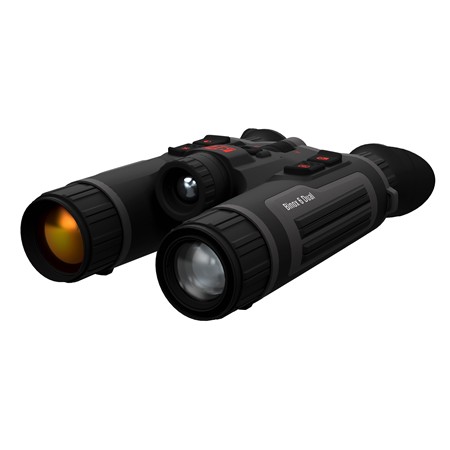
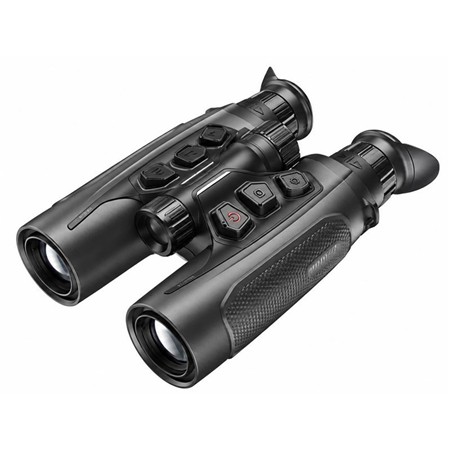
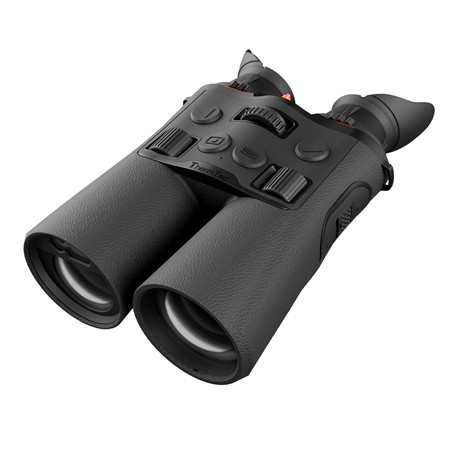
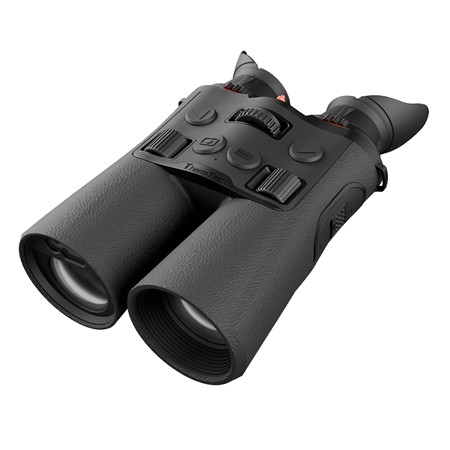
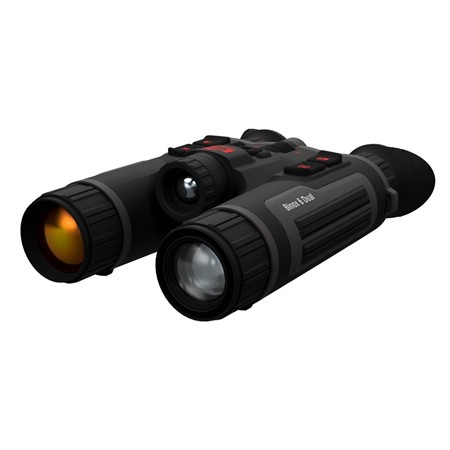
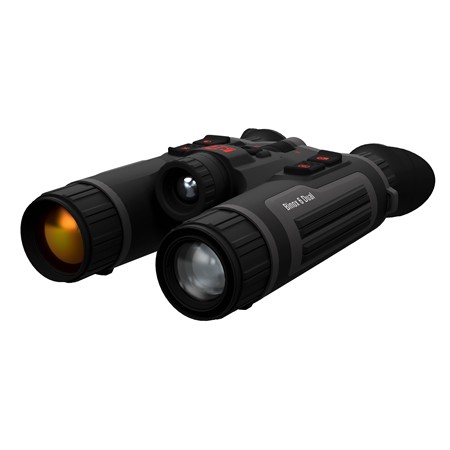
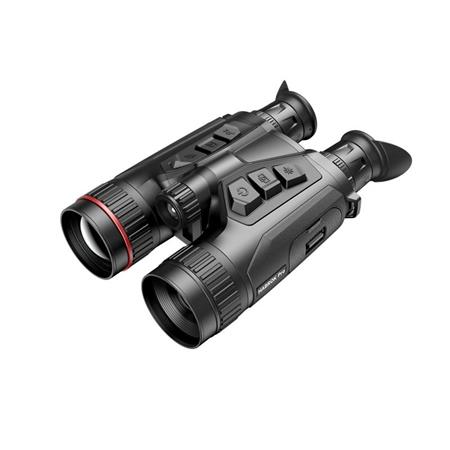
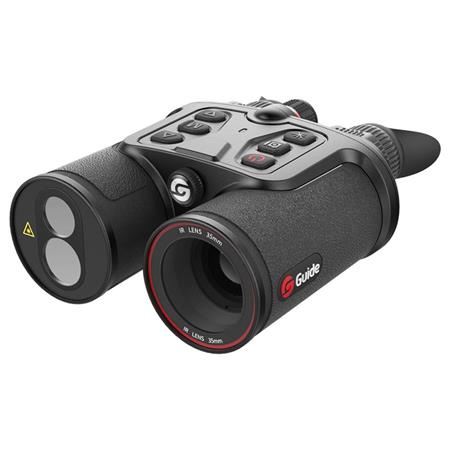
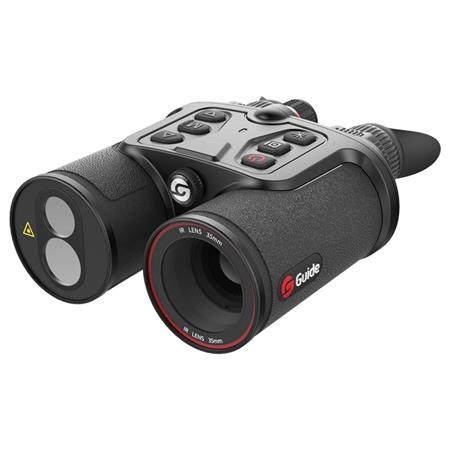
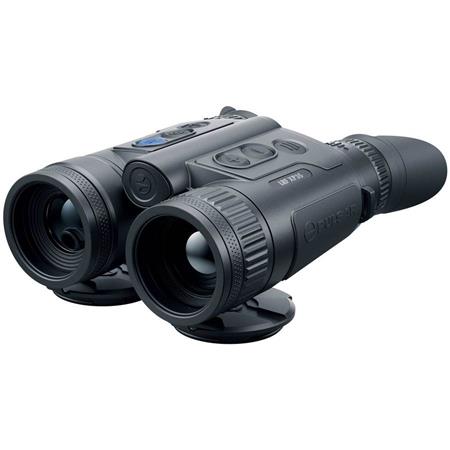
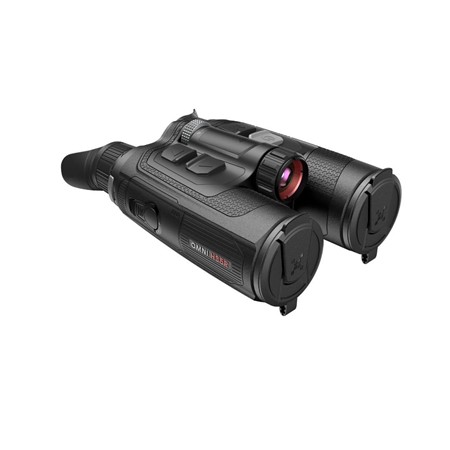
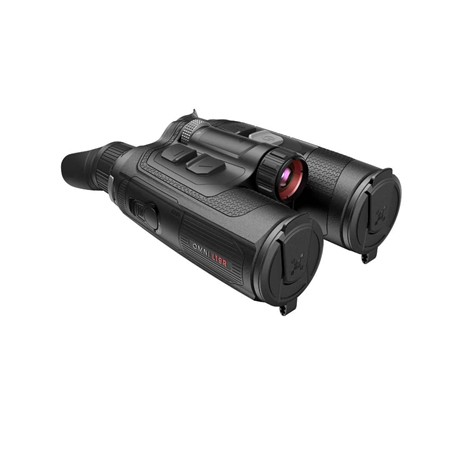
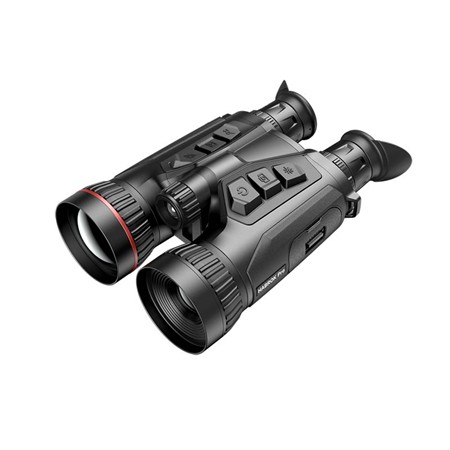
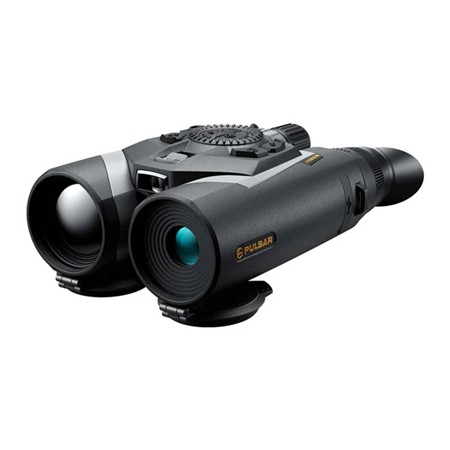
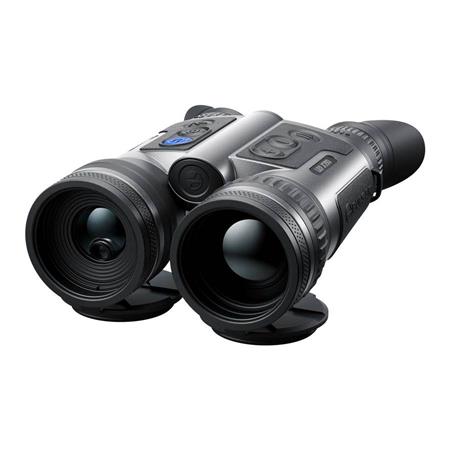
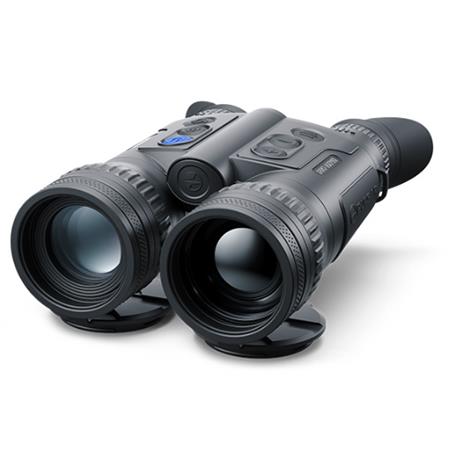
Thermal and night vision binoculars are designed for very different applications, even though both allow observation in the dark. Understanding which one matches your needs helps avoid an unnecessary expense.
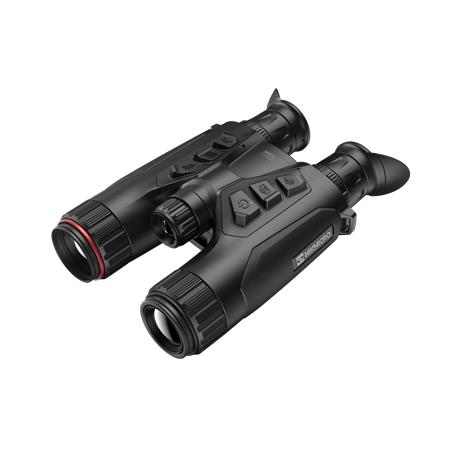
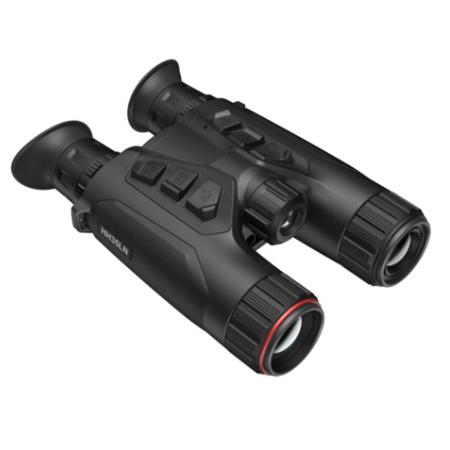
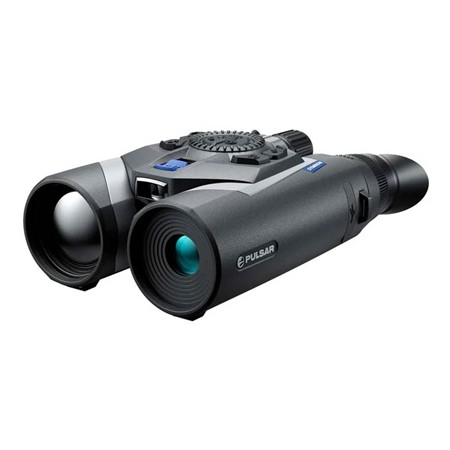
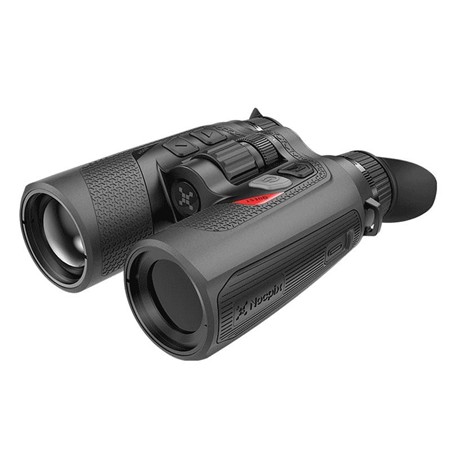
Thermal binoculars detect differences in body heat. They can locate a living animal in rainy conditions, under forest cover, or through light vegetation, without requiring any light source. They are the preferred tool for wild boar hunting at night, winter driven hunts, or monitoring large game at dawn.
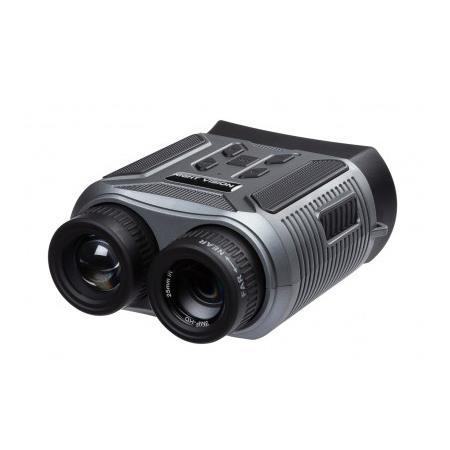
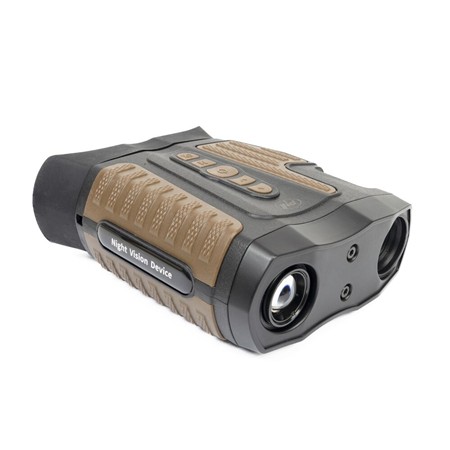
Night vision binoculars amplify ambient light (moonlight, starlight, infrared illumination). They provide a more detailed and natural image than thermal devices, with better shape recognition. They are well suited for duck blind hunting, nocturnal birdwatching, or land surveillance. If you are looking for a more compact format, night vision monoculars offer the same technologies in a smaller package.
The detector resolution (for thermal devices) and objective lens diameter (for night vision devices) determine effective range. Entry-level thermal binoculars generally feature a 400x300 sensor: sufficient for detection at 200 m, but inadequate for identification at 400 m. High-end models such as the Pulsar Accolade 2 LRF XP50 offer a 640x480 sensor with an integrated rangefinder. For an overview of both product families, the Night Vision and Thermal Imaging Cameras category also includes surveillance cameras and rifle scope attachments.
For night vision, 4x or 6x magnification is suitable for stationary hunting. Beyond that, maintaining a stable handheld image becomes a real challenge. The Bushnell Equinox Z2 6x50 remains an accessible and reliable option for this type of use.
Some night vision binoculars can also be used during daylight with acceptable performance. This is an important criterion if you want a single device for multiple situations. Pure thermal binoculars provide a degraded image in bright daylight: they are designed for night-time use or difficult conditions rather than daytime observation.