


Articles
Brands
Categories
 24h
24h
 24h
24h
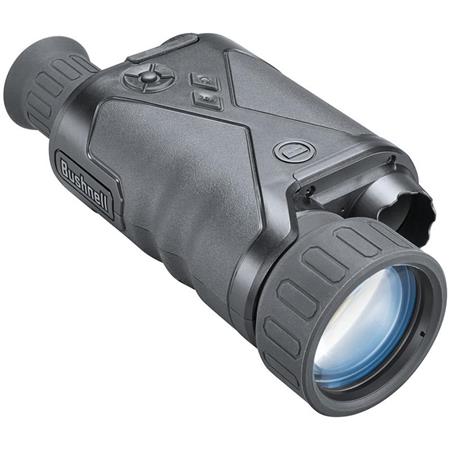
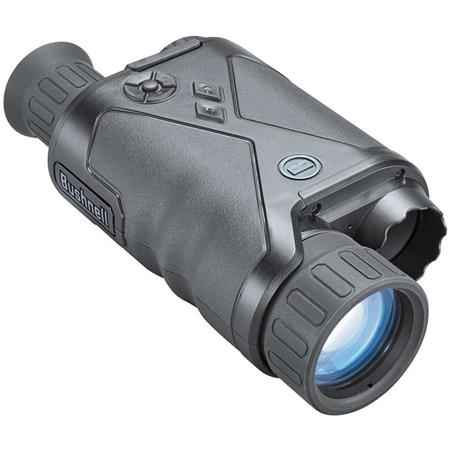
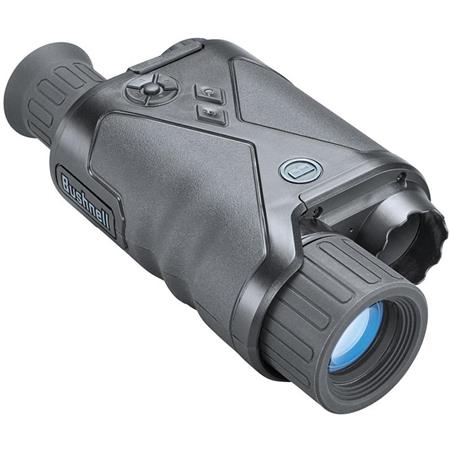
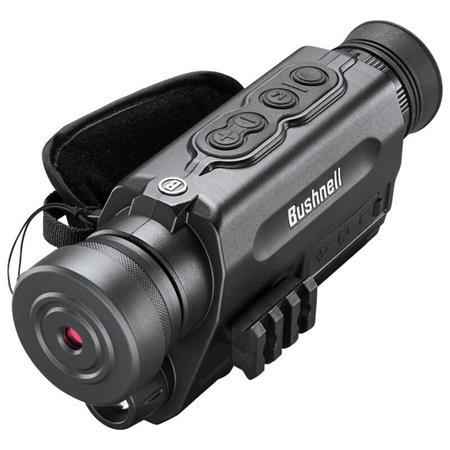
Thermal binoculars, night vision binoculars, monoculars and hunting thermal cameras: this category brings together all observation devices designed for difficult conditions, nighttime use or low-light environments.
Thermal binoculars detect differences in temperature. They can locate a living animal in rain, dense brambles or under forest cover without requiring any light source. Sunset glare or vehicle headlights do not affect the image. They are the preferred choice for wild boar hunting at night and winter driven hunts.
Night vision binoculars amplify available ambient light. They provide a more natural and easier-to-read image than thermal devices, making them well suited for accurate game identification at medium range. Without moonlight or starlight, their performance drops significantly, whereas thermal devices remain fully operational.
The term "infrared binoculars" can refer to two different technologies depending on the model. It may describe a night vision binocular equipped with an active infrared illuminator to compensate for low light conditions, or a thermal binocular that uses passive infrared radiation naturally emitted by warm bodies. These two technologies are not interchangeable.
Thermal and night vision binoculars provide a wide field of view and excellent comfort during extended observation sessions. Thermal and night vision monoculars are lighter, can be operated with one hand and are compatible with helmet mounts or Picatinny rail systems.
Hunting thermal cameras operate on the same principle as thermal binoculars: detecting body heat without visible light. They can be used as fixed surveillance systems or portable observation devices and are often mounted on tripods to monitor a game trail or hunting position over extended periods. The selection includes leading brands in the sector such as Zeiss and Bushnell, as well as Pulsar, HikMicro and FLIR.