Models & specificitiesDescriptiveReviewsA questionBesoin de formation
Models & specificities
Back to menu
Reference
Price inc VAT
Color
Magnification/lens
Weight (g)
Lens Ø (mm)
Price inc VAT
BF-1N4IB0-0
£2228.06
green
17-40x56
980
56
£2228.06
Models & specificitiesDescriptiveReviewsA questionBesoin de formation
Descriptive
Back to menu
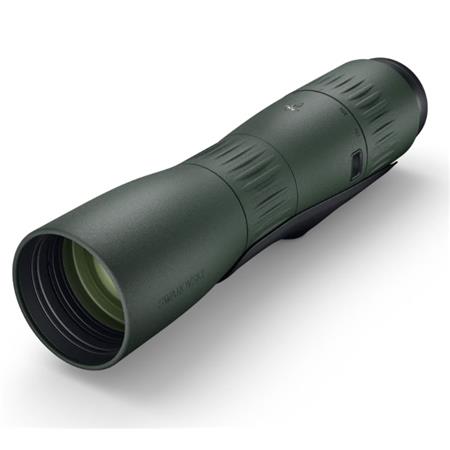
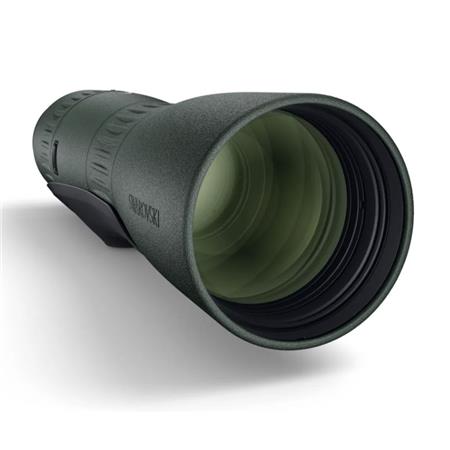
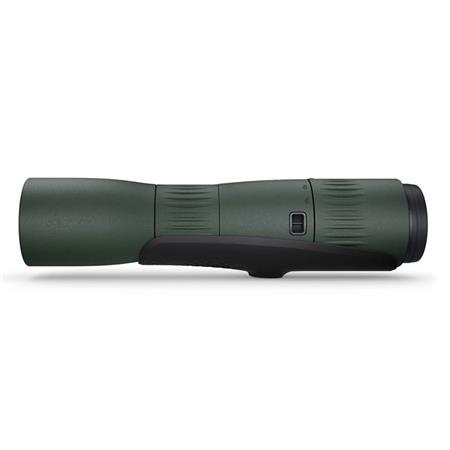
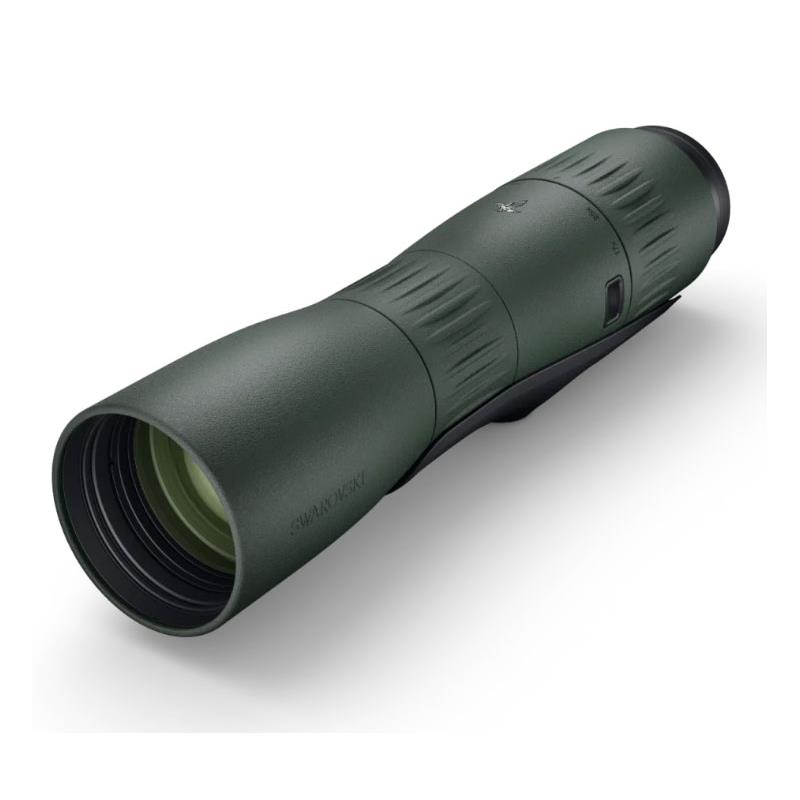
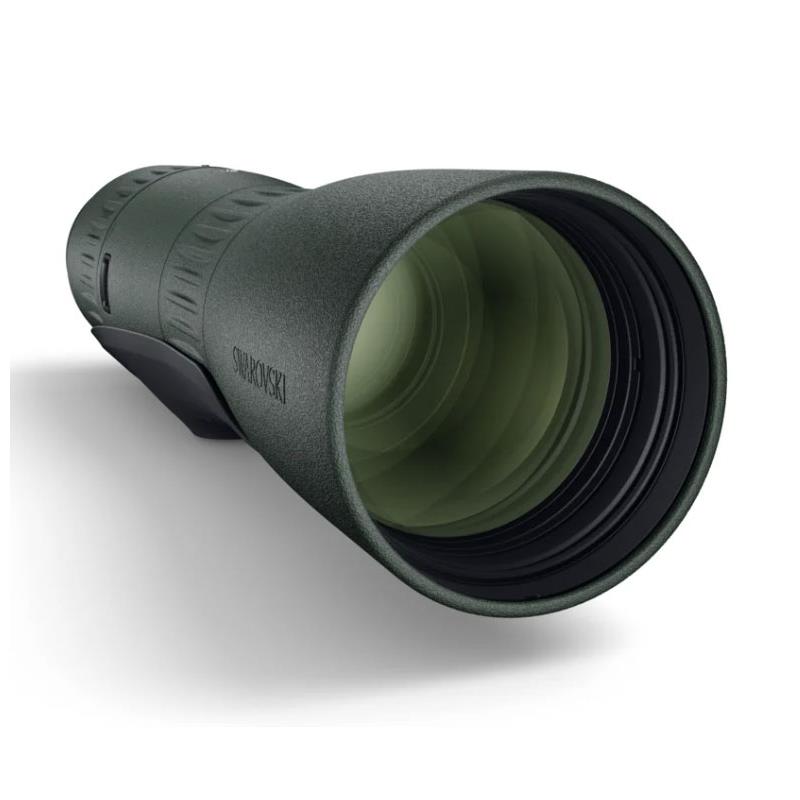
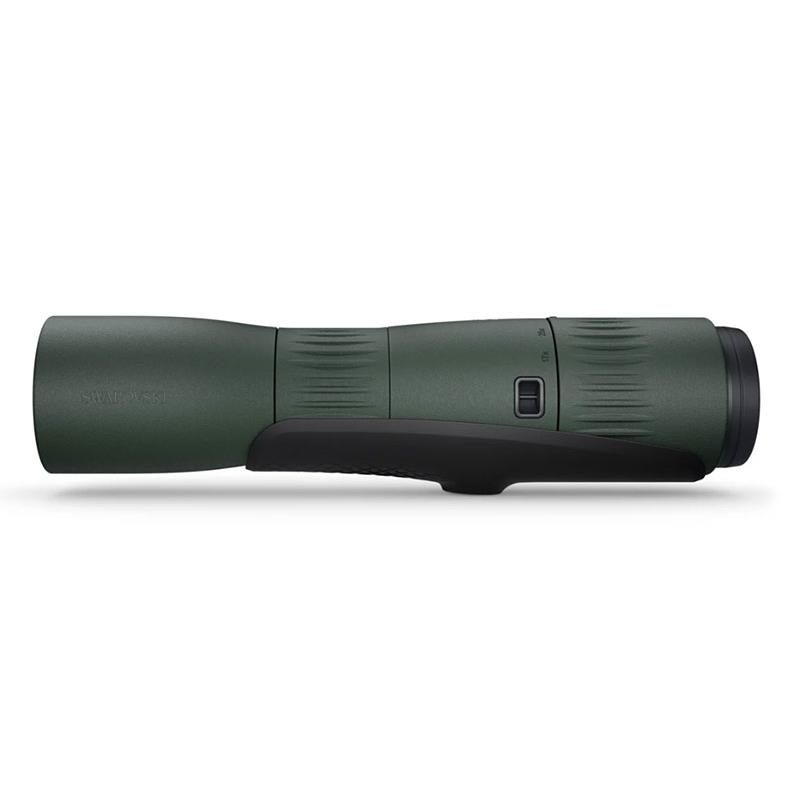
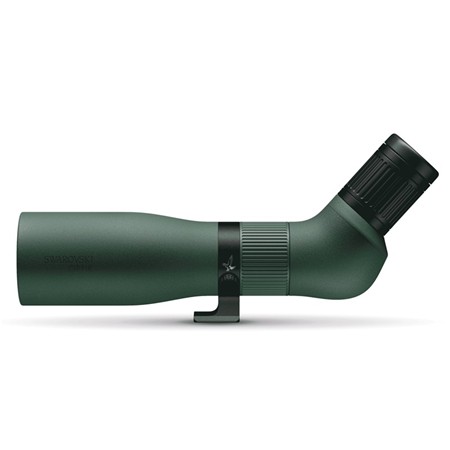
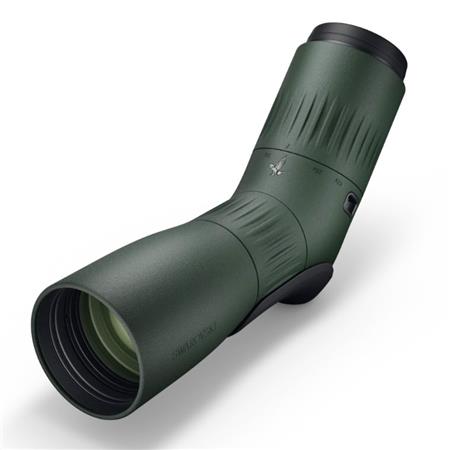
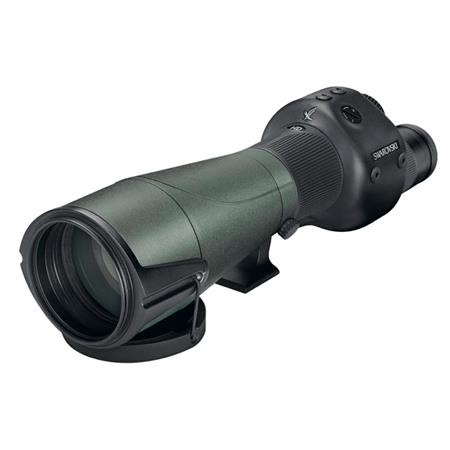
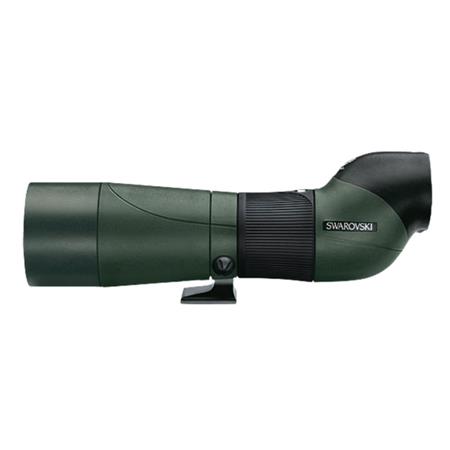
Small size, exceptional optics: With its length of 285 mm, the STC spotting scope with straight eyepiece module slips into any backpack. With its weight of only 980 g, it is the obvious choice for excursions on rough terrain and in distant places. The ingenious half-shell allows it to be positioned easily on a surface, even without a tripod, and allows free use, at any time, of the focus and zoom ring. Combined with the VPA adapter, the STC spotting scope is ideal for digiscoping. The strap adds a perfect finishing touch.
OBJECTIVE LENS DIAMETER The objective lens diameter determines the amount of light that can enter the optics. It is therefore a crucial factor in the performance of an instrument, for example, at dusk. The higher the objective lens diameter, the more light the objective lens can gather. The darker the environment, the higher the lens diameter must be. Check the exact product name, because the number after « x » indicates the objective lens diameter in millimetres. For example, equipment with the suffix 10x42 has an objective lens of 42 mm diameter
VARIABLE MAGNIFICATION Variable magnification allows you to adjust the magnification flexibly within a specific range. Unlike fixed magnification, it allows you to zoom from the lowest value to the highest value. However, as magnification increases, the field of view (i.e., the part of the image observed) becomes more restricted. Check the product name carefully, because the number before « x » indicates the magnification. For example, a 30-70x95 model is equipment with variable magnification from 30x to 70x.
REAL FIELD OF VIEW The real field of view refers to the size of the part of the image that can be observed through the optics. It is expressed in meters (width) at a distance of 1000 meters (m/1000 m) or as an angle (degrees). The higher the magnification, the more restricted the field of view. Binoculars have a wide field of view, which means you can observe a vast area. Spotting scopes have a higher magnification, which reduces their field of view but allows observing more details.
WEIGHT The weight indicates the weight of the device (in grams). Do you plan to walk a lot? If so, lightweight equipment is a priority
Features : • Magnification: 17-40x • Effective objective diameter: 56 mm • Exit pupil diameter: 3.4-1.4 mm • Eye relief: 20 mm • Field of view at m/1.000 m: 62-34 m/1000m • Real field of view (degrees): 3.52-1.93 ° • Apparent field of view (degrees): 57-71 ° • Min. focusing distance: 3.4 m • Diopter correction at ∞: > 5 dpt • Light transmission: 88 %