Models & specificitiesDescriptiveReviewsA questionBesoin de formation
Models & specificities
Back to menu
Reference
Price inc VAT
Magnification/lens
Field at 1000m
Exit pupil (mm)
Weight (g)
Price inc VAT
OP1942
£261.52
9x63
96
7
1360
£261.52
Models & specificitiesDescriptiveReviewsA questionBesoin de formation
Descriptive
Back to menu
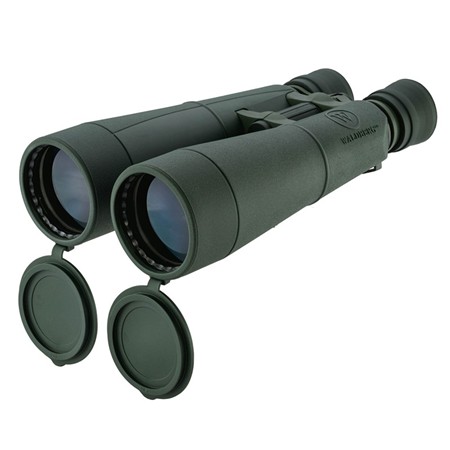
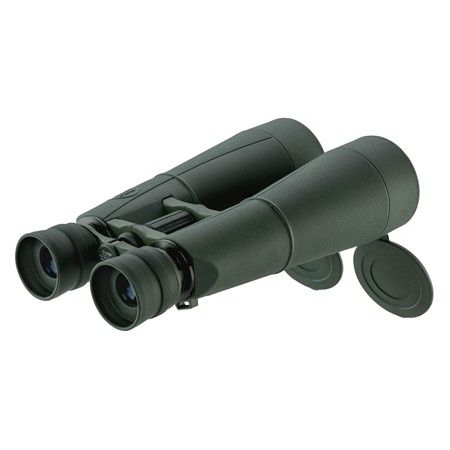
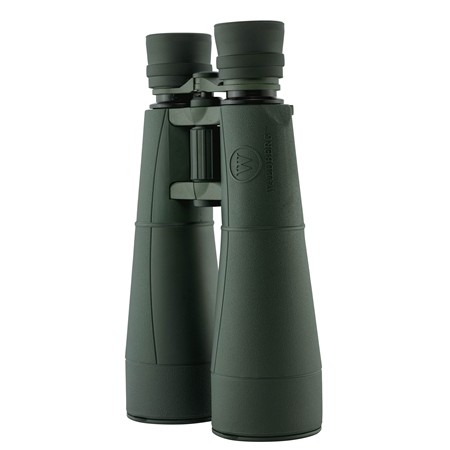
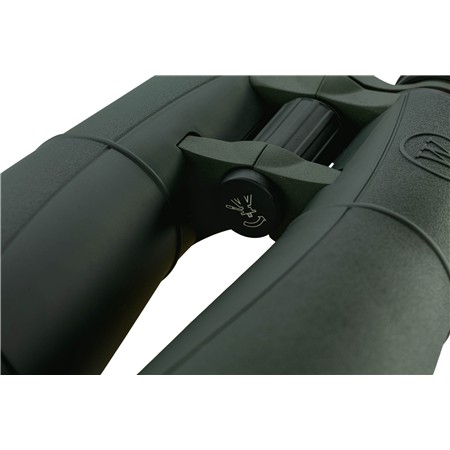
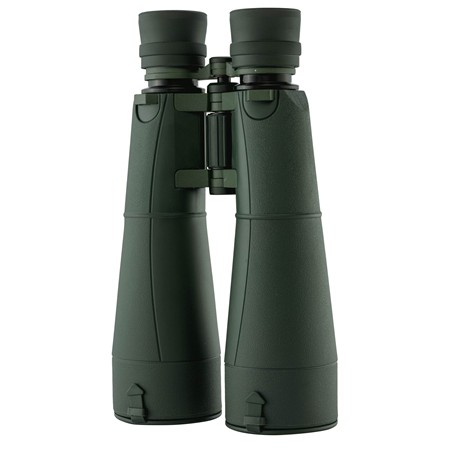
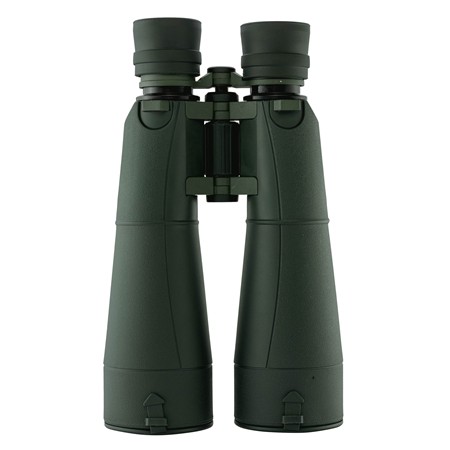
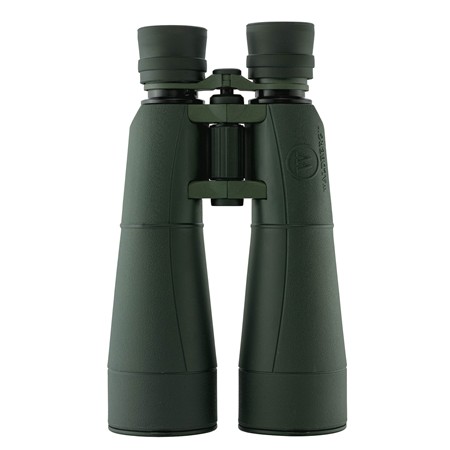
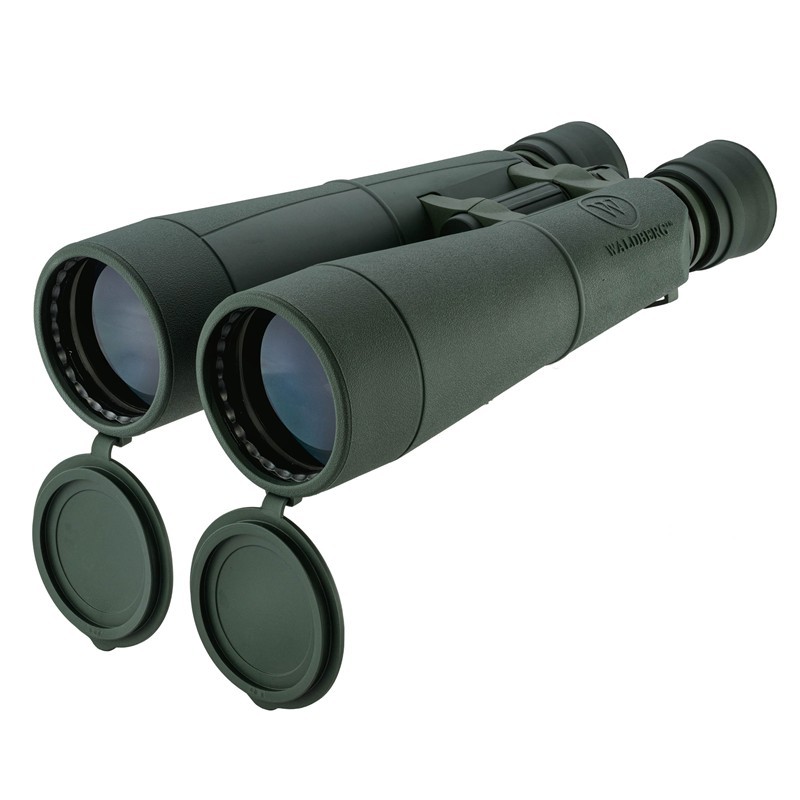
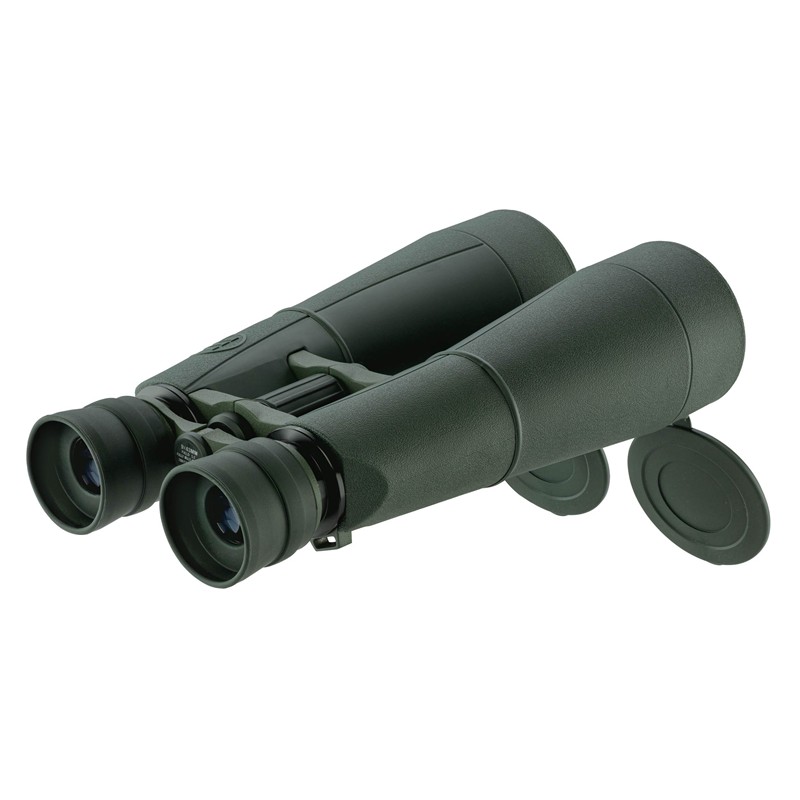
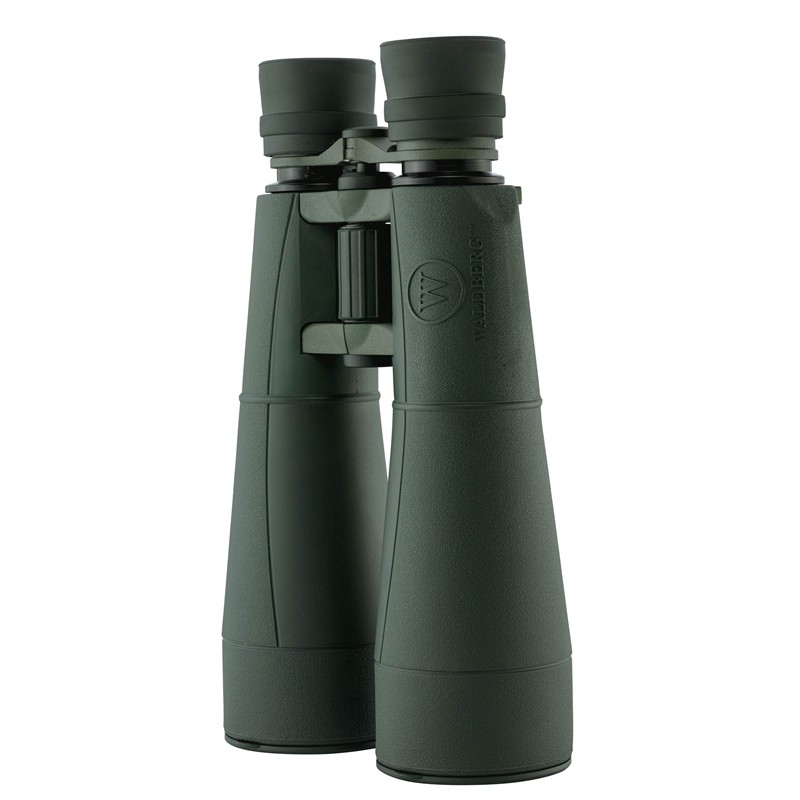
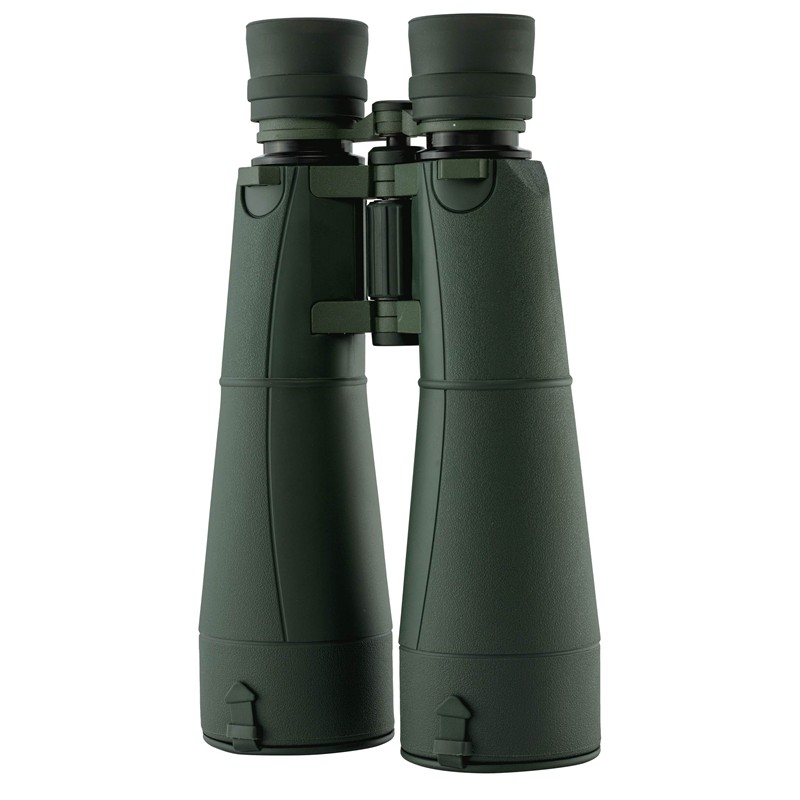
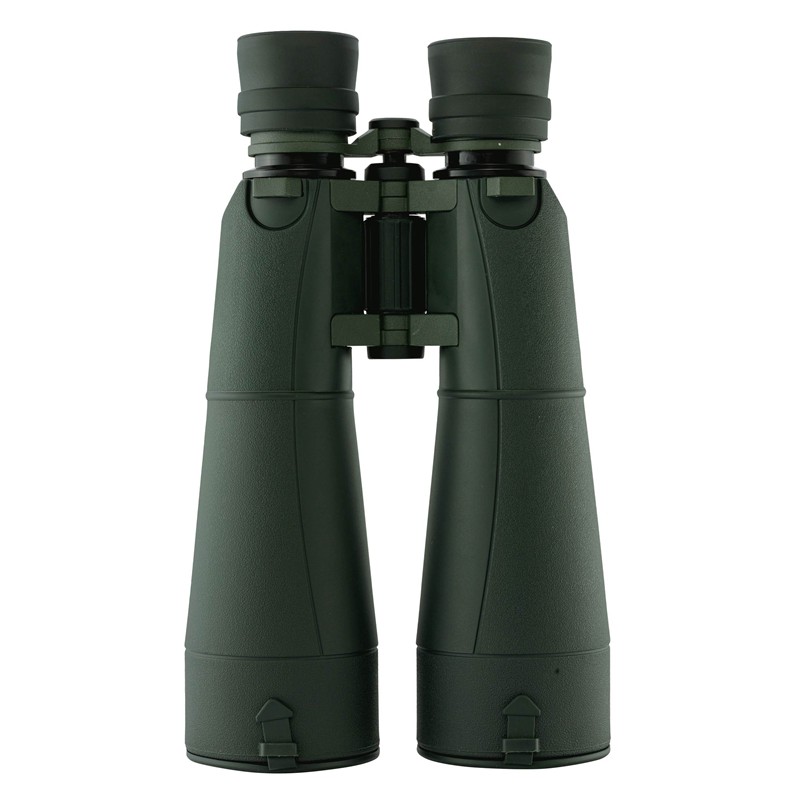
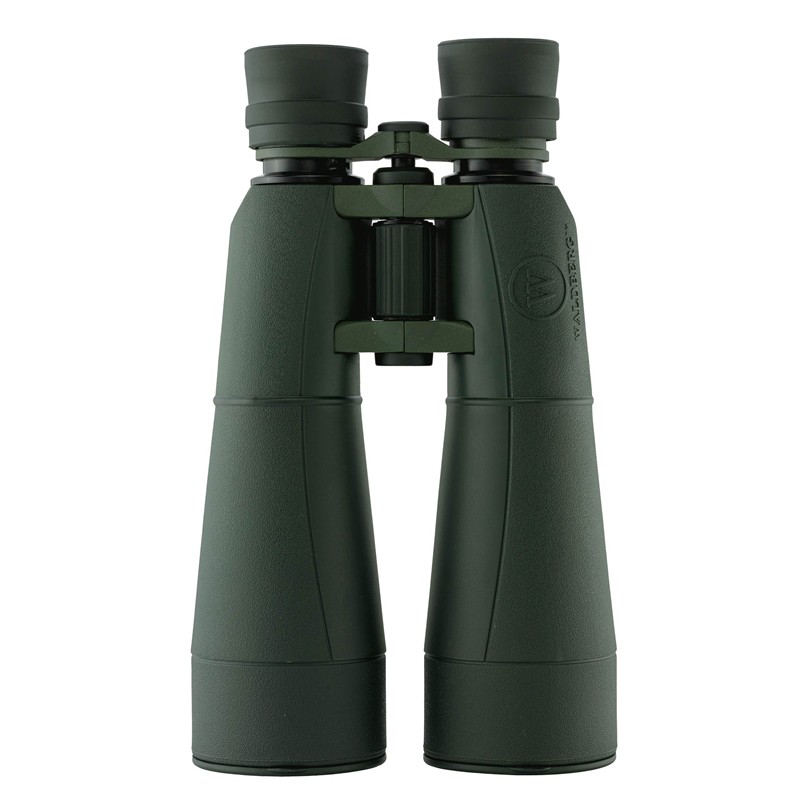
Roof-prism binoculars with large aperture (63 mm) for observation in low light.
Specifically designed for hide (gabion) hunting and wildlife observation.
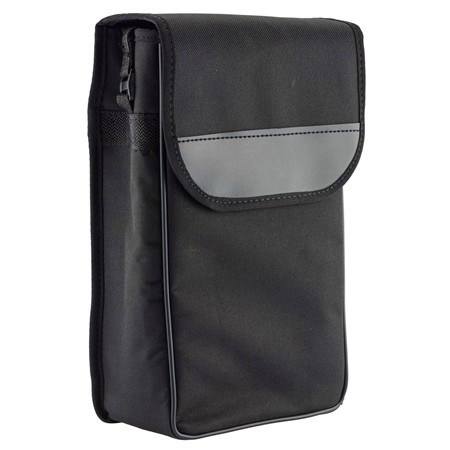
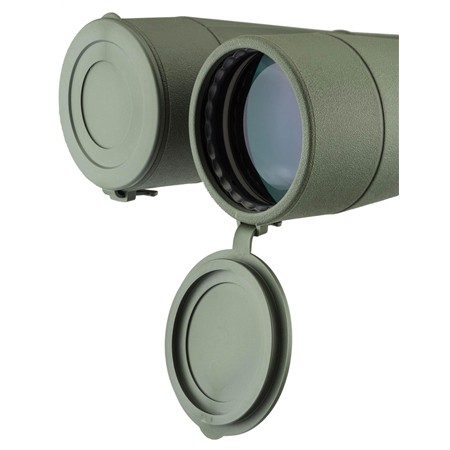
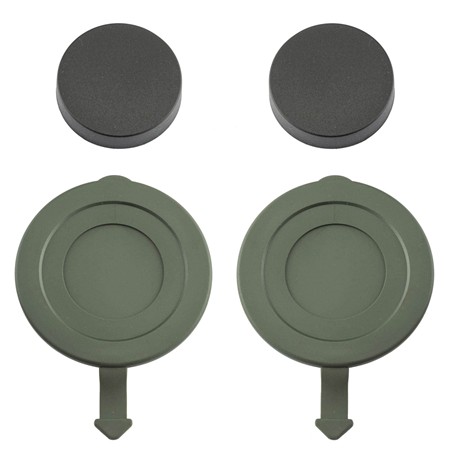
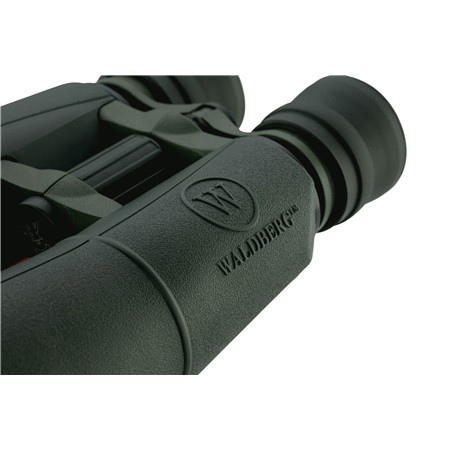
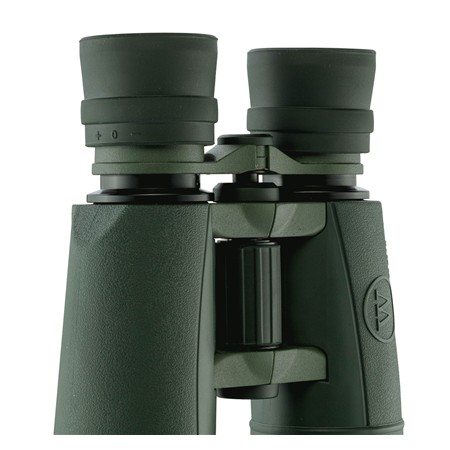
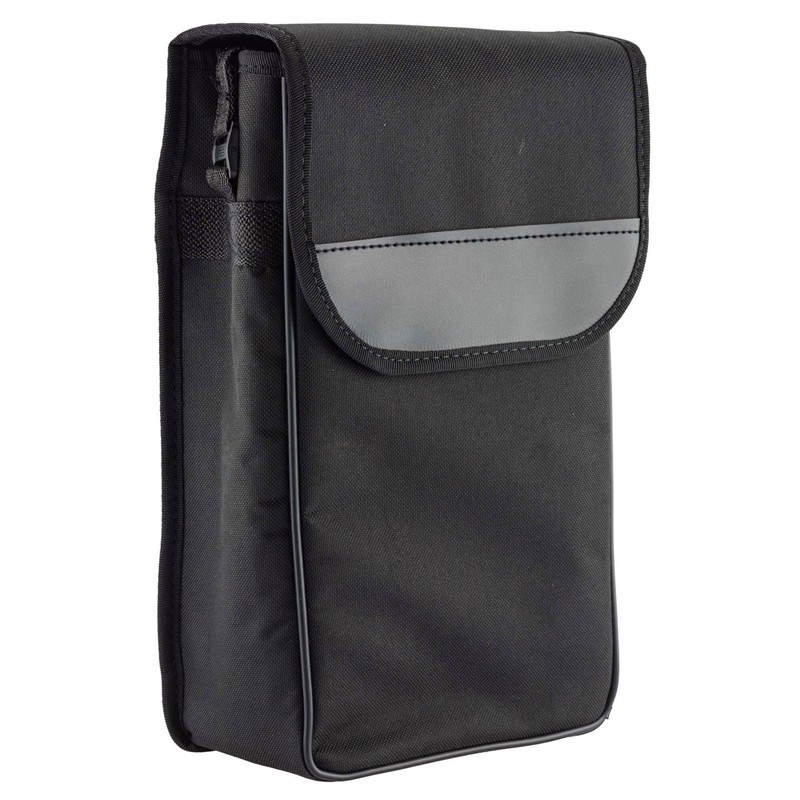
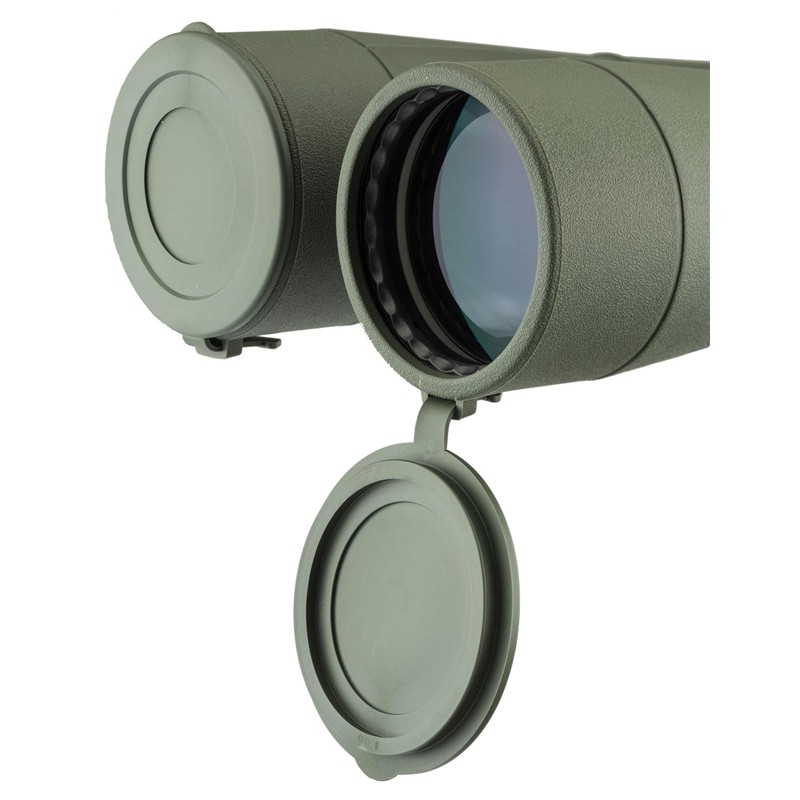
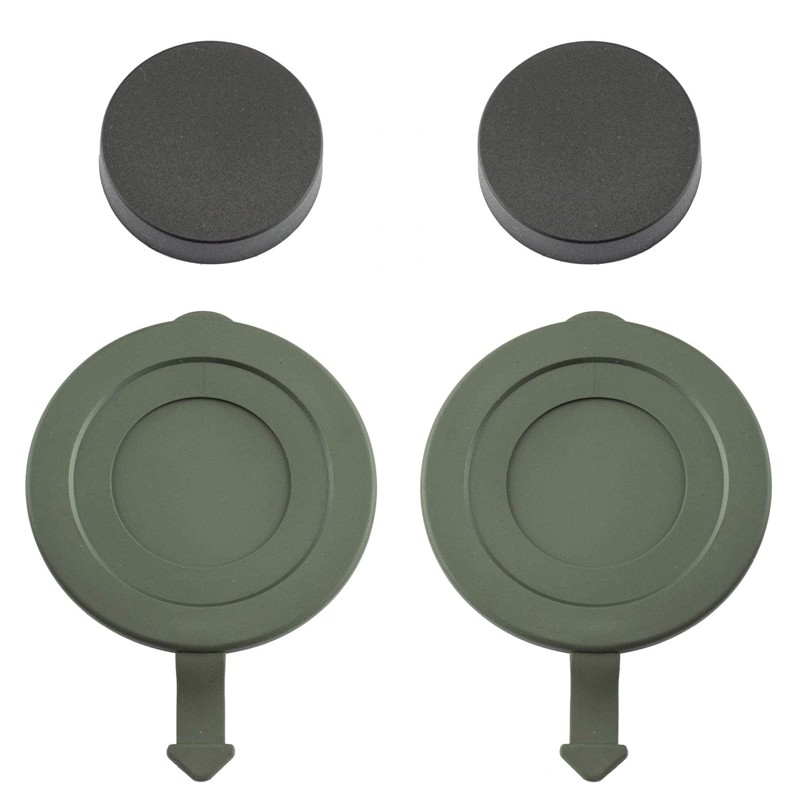
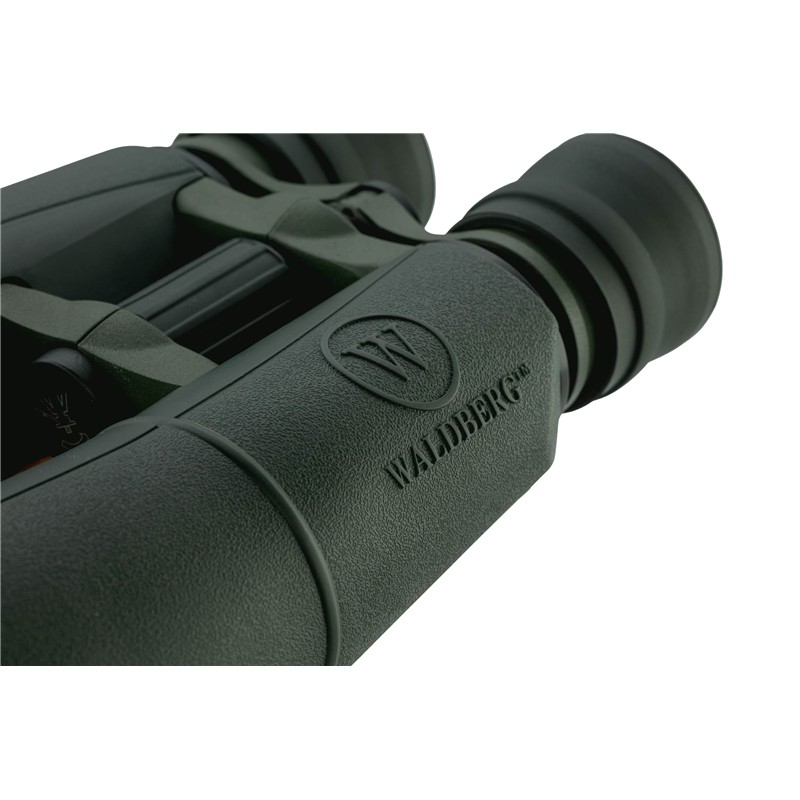
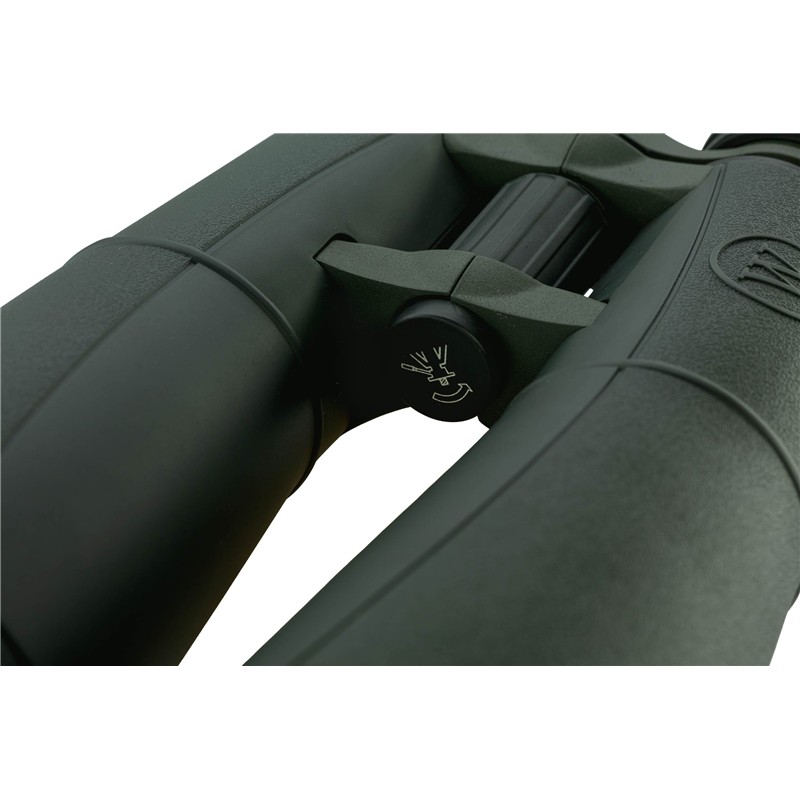
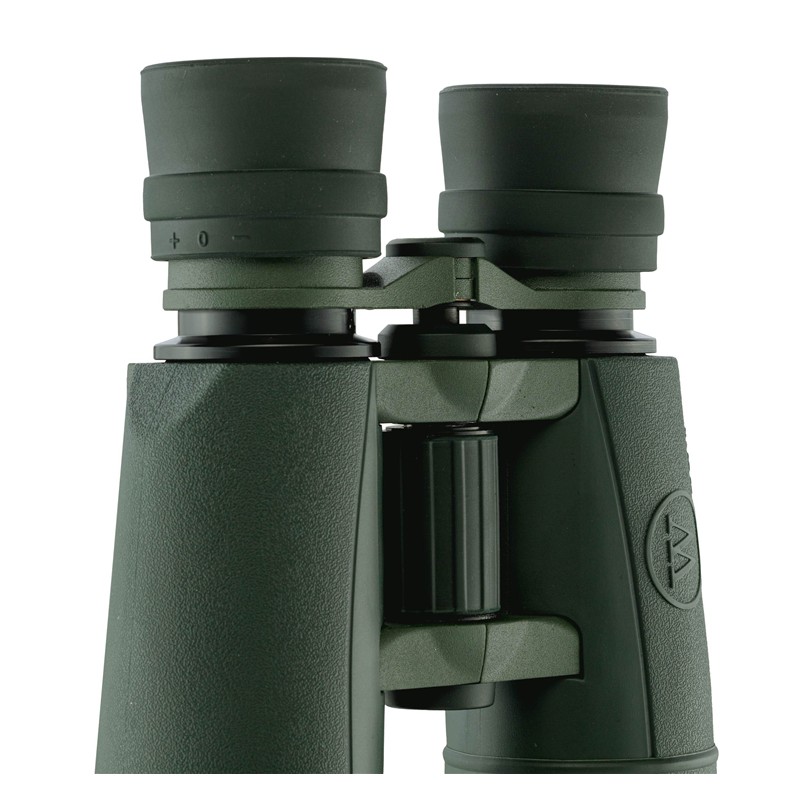
Features : • Twilight factor : 23. 8 • Cemented multi-coating optical treatment • Field of view : 5. 5° i.e. 96 m at 1000 m • Adjustment by central wheel and right eye via rotating eyepiece. • Green shockproof rubber coating. • Protective eyepiece and objective covers. • Fold-down rubber eyecups • 1/4' photo-thread screw for tripod mounting. • Cordura case, carrying strap and optical cleaning cloth
Calculation of the twilight factor : square root of the product of magnification and diameter. For 8x42 binoculars, this is therefore the square root of 8x42, i.e. the square root of 336 = 18,3.
The higher the twilight factor, the better. Indeed, the higher this factor, the more details will be visible. There is also another criterion for binocular clarity: brightness.
Brightness is obtained by squaring the diameter of the exit pupil (42/8=5,25 mm), that is by multiplying it by itself. In our example, the relative brightness is: 5,25 x 5,25 = 27,6. The higher this value, the better. When it is below 15, the binoculars are mainly suitable for daytime use.
Binoculars displaying a twilight factor above 25 can be called night binoculars. However, the limit is blurred. A high twilight factor combined with low brightness (12x40 binoculars have a twilight factor of 21,9 but a brightness of 11,1) will be difficult to handle.